

El Niño threatens water resources and demands intensive action to protect the Atlantic Forest.
El Niño threatens water resources and demands intensive action to protect the Atlantic Forest.
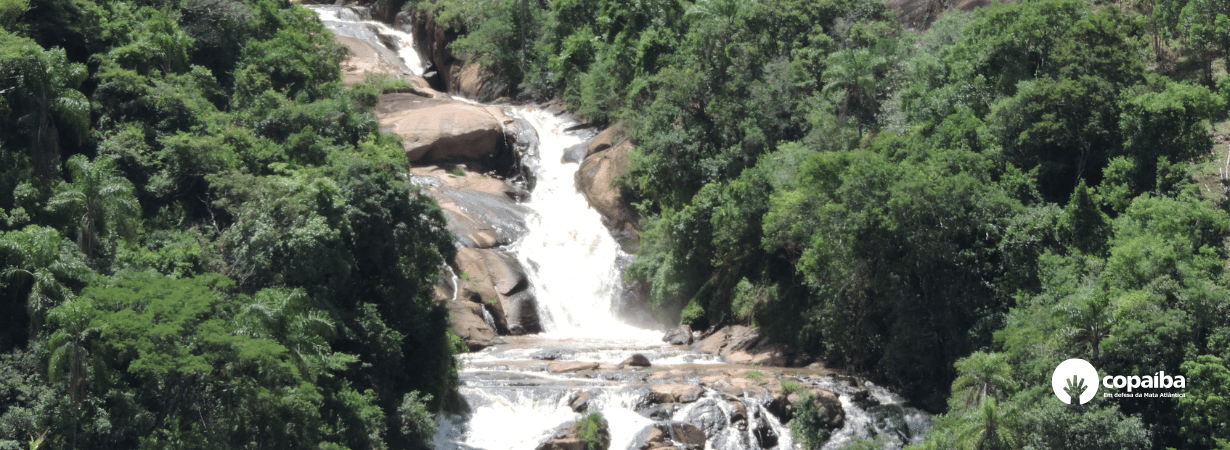
Climate Alert: El Niño threatens water resources and demands intense action to protect the Atlantic Forest.
With official confirmation that the phenomenon El Niño Established in the Equatorial Pacific Ocean and with a probability exceeding 90% of extending into early 2027, federal climate monitoring agencies have issued a worrying alert for the entire country. However, the Southeast Region and the Atlantic Forest biome are areas that require even greater attention, as the combination of severe drought and high temperatures threatens water supply and biodiversity. The studies were conducted jointly by the National Institute for Space Research (INPE), the National Institute of Meteorology (INMET), the National Water and Basic Sanitation Agency (ANA), the National Center for Monitoring and Alerting of Natural Disasters (CEMADEN), the Geological Survey of Brazil (SGB), and the National Secretariat for Civil Protection and Defense (SEDEC).
Given this scenario, the Copaíb Environmental AssociationThis reinforces the importance of ecological restoration as a tool for protecting water resources and the Atlantic Forest.
Different realities in Brazil
Studies indicate that the current El Niño It comes with intensity ranging from strong to very strong, with thermal anomalies that could cause sea surface temperatures to rise up to 2°C above average. The impacts for the August, September, and October quarter indicate a strong division in Brazil: while the South is expected to receive heavy rainfall, the Southeast, Midwest, North, and Northeast are expected to face an extended period of drought with temperatures significantly above average.
This imbalance has a strong impact on water resources, especially in the Atlantic Forest, a biome that is home to more than 701,300 of the Brazilian population and encompasses the main hydrographic basins of the Southeast region.
Prolonged drought drastically reduces the water table, leading to the drying up of unprotected springs. Simultaneously, the parched vegetation and extreme heat create the ideal environment for the spread of wildfires, destroying regenerating areas, degrading the soil, and eliminating vital ecological corridors for wildlife. These factors reduce the availability of food and water, resulting in a severe loss of biodiversity.
Restoration as a solution
Given the intensity of the impacts caused by El Niño, The most sustainable and efficient solutions lie in what are called Nature-Based Solutions (NBS). In this context, ecological restoration in the Atlantic Forest is consolidating itself as a fundamental model of resilience and climate adaptation.
THE Copaiba It has become a point of reference in the region with actions directly aimed at mitigating the impacts of extreme weather events.
The production of high-quality native seedlings and the ecological restoration projects carried out by the institution along the Peixe and Camanducaia river basins directly contribute to the protection of springs and the recovery of degraded areas. Throughout its 27-year history, the Copaiba It has already produced more than 4.5 million seedlings, planted more than 1.2 million trees, and maintains 903 hectares in the restoration process. All this work protects almost 500 springs along 63 km of rivers and streams in the region. “Our work addresses these needs, and we will continue to seek more partners to continue reforesting the Atlantic Forest. Our work in restoring Permanent Preservation Areas and riverbanks ensures that native vegetation acts as a 'natural sponge,' favoring the infiltration of rainwater into the soil, reducing surface runoff and erosion, contributing to groundwater recharge and maintaining water availability, even during severe drought periods,‘ highlights Ana Paula Balderi, head of the restoration team. Copaiba.
From emergency to action
The public authorities also have their share of responsibility. It is up to managers to implement urban contingency plans, including the construction of air-conditioned public shelters, the installation of hydration points in high-traffic areas, the adaptation of working hours for external employees, and the reinforcement of health networks for the prompt treatment of incidents caused by high temperatures.
Another fundamental measure recommended by the National Civil Defense is to strengthen communication to ensure that the entire population is registered in their municipality's official alert systems.
Addressing the impacts of El Niño It requires joint and proactive action between public agencies, rural producers, socio-environmental institutions, and the entire community. By protecting the Atlantic Forest, we protect the future of our water.
Copaiba
THE Copaiba Environmental Association It is a non-profit Public Interest Civil Society Organization (OSCIP), based in Socorro (SP), that has been working since 1999 on the conservation and restoration of the Atlantic Forest in the basins of the Peixe and Camanducaia rivers. Present in 19 municipalities in the region, the Copaiba It develops integrated actions in public policies, environmental education, seedling production, and ecological restoration, promoting the reconnection of people with nature and the protection of natural resources, especially water and biodiversity.
Share!
Latest publications
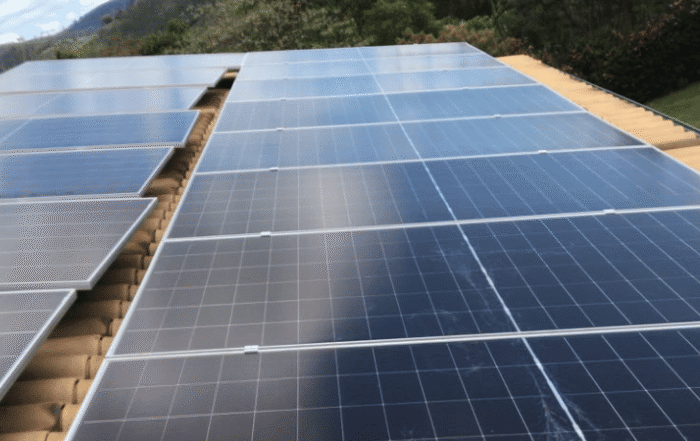
Copaíba adopts photovoltaic system and reinforces commitment to sustainability.
Copaíba adopts photovoltaic system and reinforces commitment to sustainability. The Copaíba Environmental Association has taken another decisive step in [...]
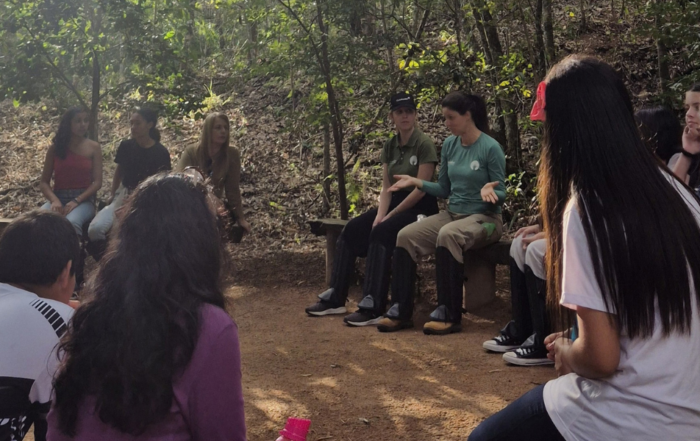
Living in contact with nature is now a right for children.
Living in contact with nature is now a right for children. On September 22, 2026, it was [...]
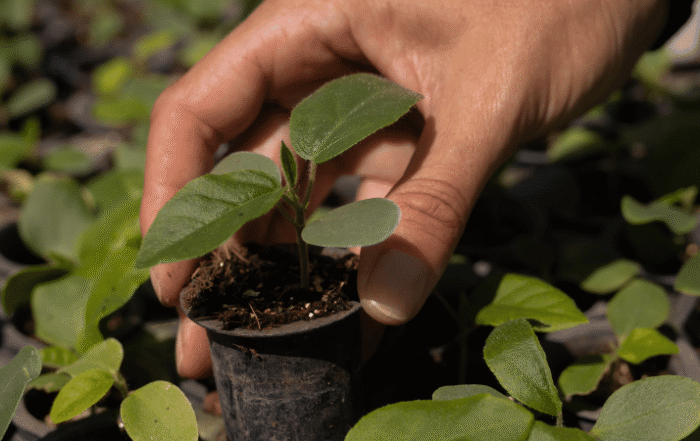
From Seed to Planting: The bottleneck that threatens the restoration of the Atlantic Forest.
From Seed to Planting: The bottleneck threatening the restoration of the Atlantic Forest. Miscommunication between those who produce seedlings [...]


