

Sustainable Development Goals: a movement between governments, the private sector and civil society
Sustainable Development Goals: a movement between governments, the private sector and civil society
In recent years, a growing awareness of the environmental, social and economic challenges we face as a global society has driven the search for sustainable solutions. In this context, the Sustainable Development Goals (SDGs) emerge as a comprehensive and ambitious guide to transform our world by 2030.
There are 17 SDGs in total, which address a wide range of issues, from eradicating poverty and hunger to promoting gender equality, access to quality education, clean energy, climate action and partnerships for sustainable development. Each of these goals represents a global commitment to address interconnected challenges affecting humanity and the planet.
At the local level, communities, governments, companies and civil society organizations are mobilizing to integrate the SDGs into their agendas and practices. Innovative initiatives are emerging around the world, from recycling and renewable energy programs to social inclusion and economic empowerment projects. These local efforts are essential to achieving global objectives, as it is at the levels closest to people that real changes happen, without forgetting that these actions are a two-way street, and investment in achieving the SDGs also supports the pillars of business success.
Goal 17: Partnerships and means of implementation
Due to its investment capacity and innovative spirit, the business sector offers an essential contribution to achieving the 17 Sustainable Development Goals for 2030.
SDG 17 – Partnerships and Means of Implementation – has the largest number of goals and objectives, in the segments of finance, technology, training, trade, coherence of policies and institutions, multisectoral partnerships, data, monitoring and accountability.
Businesses cannot succeed in societies that do not develop, which is why more and more companies are realizing that strengthening the means of implementation and establishing efficient partnerships for conscious and strategic development is to promote business sustainability.
And how can this be done?
• Growing consumer markets by lifting billions of people out of poverty;
• Strengthening education to train more specialized and engaged workers;
• Ensuring that the economy operates safely within the planet's capacity to provide essential resources, such as water, fertile soil, metals and minerals, thus sustaining the natural resources on which companies depend for production purposes;
• Strengthening responsible and well-managed institutions through partnerships, as well as open and regulated commercial and financial systems, thus reducing the risks of doing bad business.
SDG 17 is an objective more focused on action to help develop communities and countries, expanding possibilities for investment, technological transfer and multilateral trade. In addition to being responsible for the means of implementation (technical assistance, financial resources, decentralization of knowledge and strengthening of institutional capacities) for the set of SDGs.
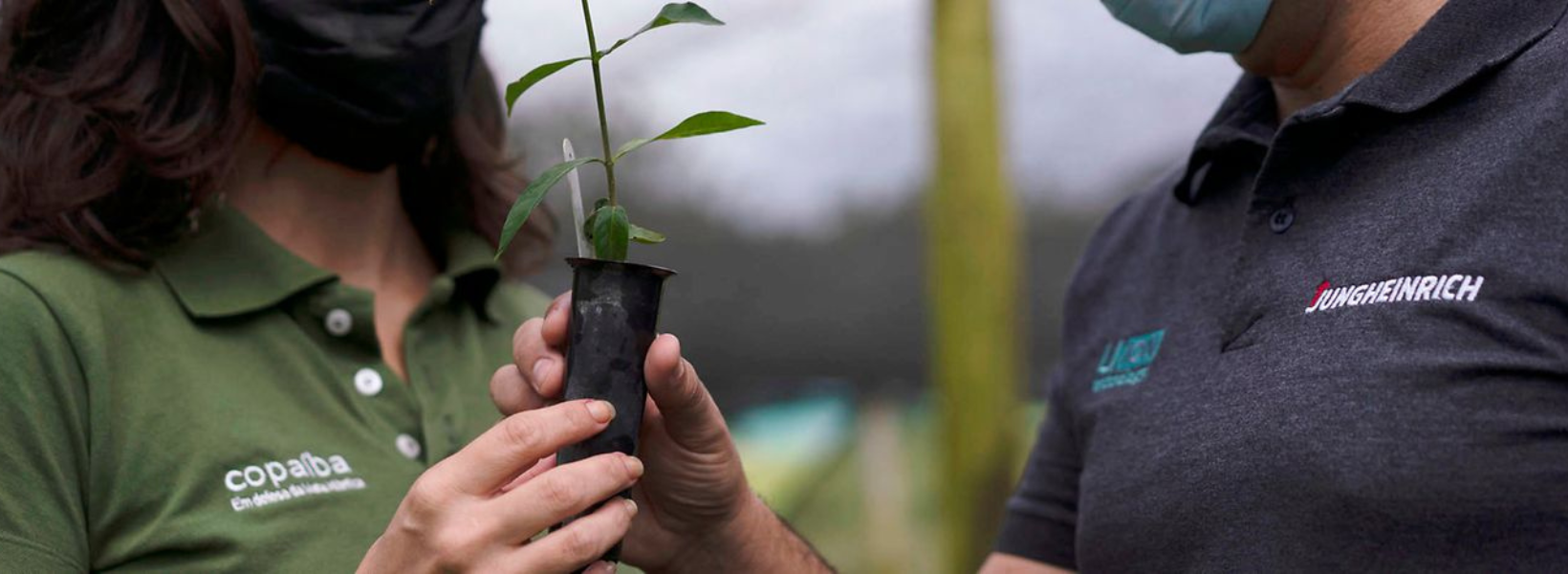
Companies can play an important role by investing in sustainable practices, clean technologies and social projects that benefit communities. Strong partnerships, such as those of the Copaíba Environmental Association, increase the capacity to generate change and guarantee collective strengthening.
By supporting Copaíba's different actions, such as the “I Support” and “Adopt a Forest” programs, companies can be active and collaborate to achieve the SDG goals nationally and, consequently, build a stronger country economically, more socially fair and more environmentally responsible.
Share!
Latest publications
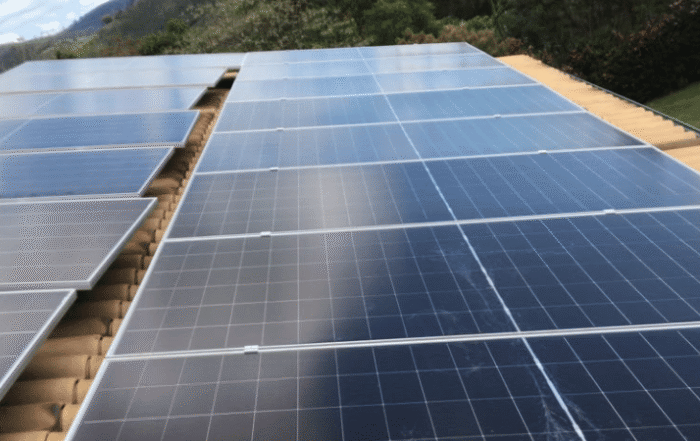
Copaíba adopts photovoltaic system and reinforces commitment to sustainability.
Copaíba adopts photovoltaic system and reinforces commitment to sustainability. The Copaíba Environmental Association has taken another decisive step in [...]
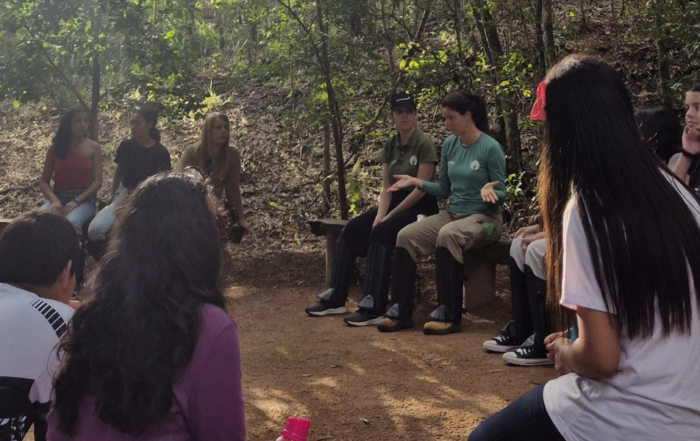
Living in contact with nature is now a right for children.
Living in contact with nature is now a right for children. On September 22, 2026, it was [...]
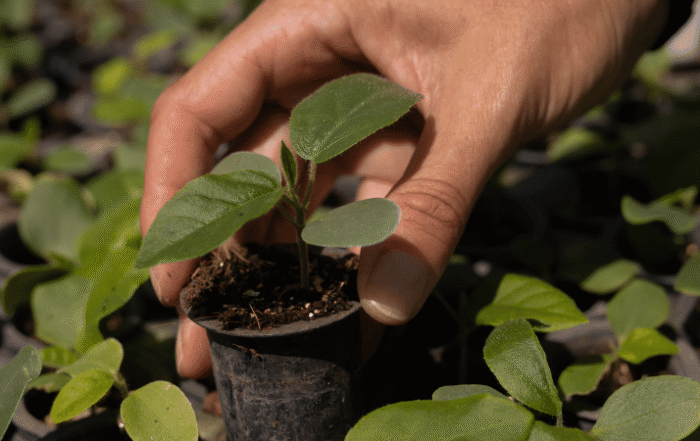
From Seed to Planting: The bottleneck that threatens the restoration of the Atlantic Forest.
From Seed to Planting: The bottleneck threatening the restoration of the Atlantic Forest. Miscommunication between those who produce seedlings [...]


