

Earth Day: Let's return to living in harmony with our planet.
Earth Day: Let's return to living in harmony with our planet.
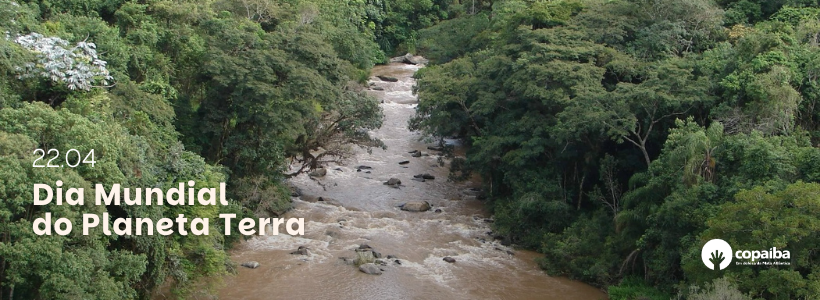
Earth Day: Let's return to living in harmony with our planet.
In this April 22, World Day Planet Earth This raises an uncomfortable but necessary question: how has human action distorted the natural balance, and what can we do to regain respect for and a closer, more harmonious relationship with nature and our own environment? planet. A Copaiba Environmental Association, [Organization name], which has dedicated itself to the restoration of the Atlantic Forest for almost 30 years, uses this date to reinforce that, if human impact has been able to degrade it, human commitment is the only path to the solution, so join us. Copaiba in building a more balanced future with our planet Earth.
Human responsibility
The environmental crisis we face today, characterized by resource scarcity and climate instability, is not a natural phenomenon, but the direct result of our predatory way of life, as human beings, throughout history, and with greater force in recent decades. Copaiba It points out that the way we occupy the land, consume excessively, and deforest without control has exceeded the regenerative limit that maintained the balance of the environment. planet Earth. We have spent centuries shaping the planet to our immediate needs, ignoring the limits of nature. The Day of Planet Earth This reminds us of something essential: the planet doesn't need saving. We are the ones who need to relearn how to live in harmony with it. More than that, we need to break down the barrier we have created between ourselves and nature. We are not separate. We are an intrinsic part of it. And it is only when we understand this, deeply, that we will understand that our own survival depends on it.“, highlights Flávia Balderi, executive secretary of Copaiba.
From Degradation to Regeneration: The Role of People
The experience of Copaiba She points out that the solution to global problems begins with local actions and believes that human beings need to stop being merely consumers of resources and become agents of restoration. And according to Flávia, the Copaiba It plays an important role in the Peixe and Camanducaia river basin region, raising human awareness in the search for a balance that can save the environment. planet Earth:
- Landscape Transformation: Where human activity has created biological voids, Copaíba's work guides landowners and communities to restore life to the forest;
- Rescuing Life: Ecological restoration work makes water flow again from springs, regenerates forests, and allows wildlife to once again find shelter and food in the forests, achieving a real transformation in the lives of the people. planet Earth;
- Education and Awareness: The solution lies in a change of mindset, and social mobilization and the education of new generations prove that human engagement is the most powerful tool against environmental collapse.;
- Practical Action: With nearly three decades of experience, the Copaiba This demonstrates that the positive impact of planting and caring for the Atlantic Forest can neutralize historical damage and rebalance the biome, provided there is political and social will.
A Call to Collective Action
On this April 22nd, the provocation is clear: the survival of planet Earth The way things have always existed depends on a truce. We must stop being a threat and become guardians of the ecosystem. And that Copaiba It positions itself as the connecting link in this transition, offering technical knowledge and support so that each citizen, company, and public manager understands their role in building a future where humanity and the forest can live in harmony.
Copaiba
THE Copaiba Environmental Association Copaíba is a non-profit Public Interest Civil Society Organization (OSCIP) based in the municipality of Socorro (SP), which has been working since 1999 with the mission of conserving and restoring the Atlantic Forest in the basins of the Peixe and Camanducaia rivers. Present in 19 municipalities in this region, Copaíba develops integrated actions in the areas of public policy, environmental education, production of native seedlings and ecological restoration, promoting the reconnection of people with nature and contributing to the protection of natural resources, especially water and biodiversity. Learn more about our actions on our website. www.copaiba.org.br.
Share!
Latest publications
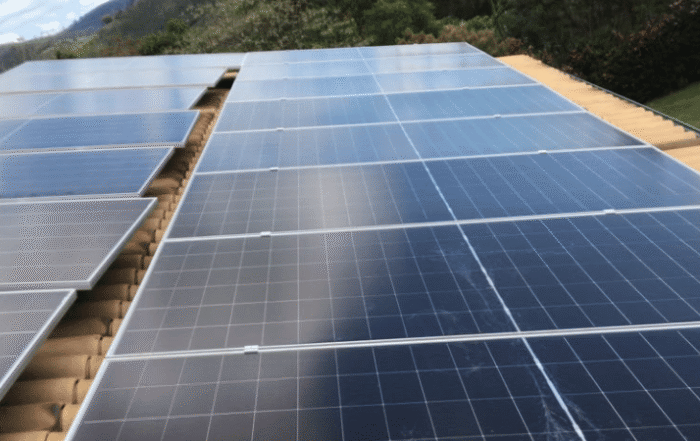
Copaíba adopts photovoltaic system and reinforces commitment to sustainability.
Copaíba adopts photovoltaic system and reinforces commitment to sustainability. The Copaíba Environmental Association has taken another decisive step in [...]
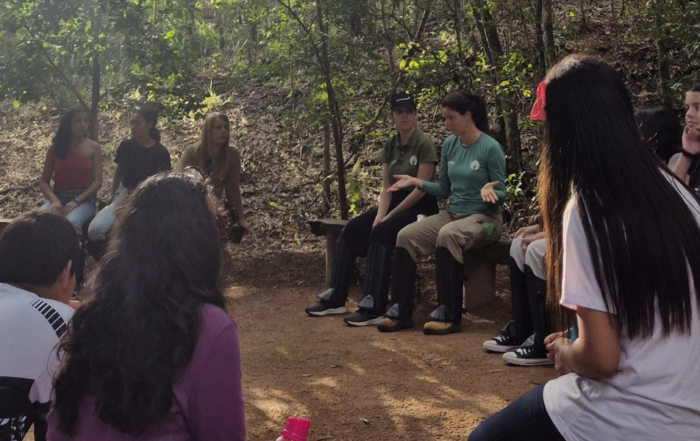
Living in contact with nature is now a right for children.
Living in contact with nature is now a right for children. On September 22, 2026, it was [...]
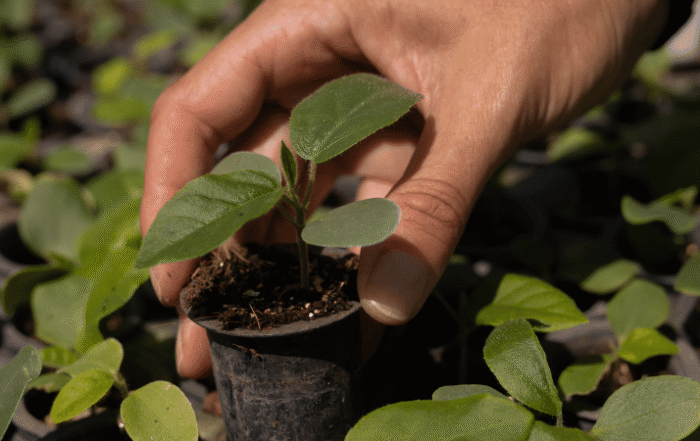
From Seed to Planting: The bottleneck that threatens the restoration of the Atlantic Forest.
From Seed to Planting: The bottleneck threatening the restoration of the Atlantic Forest. Miscommunication between those who produce seedlings [...]


