

Social Cost of Carbon
Social Cost of Carbon

THE SOCIAL COST OF CARBON is a fundamental concept for understanding the economic and environmental challenges that climate change represents for society, assigning a monetary value to the impacts caused by global warming.
Topics related to environmental and climate sustainability have increasingly gained space in public discussion and on the government and business agenda. Among these topics, the reduction of greenhouse gas (GHG) emissions receives special emphasis due to the widespread impacts that global warming can cause.
As the Earth is a system where everything is connected, changes in one area can influence changes in all other areas of life, that is, by negatively influencing climate change they can affect health, the ability to grow food, housing, security, work etc. However, misinformation about global climate change is still an obstacle to progress in tackling the climate crisis and, therefore, it is necessary to make these impacts or social costs more explicit for society, translating them into monetary values.
Many people think that climate change only means higher temperatures. But rising temperatures are just the beginning of the story.
BENEFIT: By estimating the Social Cost of Carbon (CSC), government decision makers, companies and all civil society can evaluate the cost-benefit of different policies and measures to mitigate climate change. In addition, the CSC is important for carbon pricing instruments. In an optimized policy that maximizes the population's well-being, the price of carbon must be equal to its social cost.
CHALLENGE: Estimating this cost, however, is not trivial due to the complexity of climate systems and uncertainties related to technological development, population income growth, economic interest rates, population preferences, and so on.
TO REFLECT ON: What is the cost of water scarcity on a rural property that depends on it for raising animals and agricultural crops? In addition to people and animals, who or what else within this chain/system will be impacted? Or even, if extreme rains harm an agricultural crop, how much will be paid for this food in commercial establishments? Who will be the most impacted people?
Both the environment and human societies suffer from the effects and losses of climate change, such as: rising sea levels, floods, landslides, reduced agricultural productivity and the availability of fresh water, extinction of species, increased incidence of pests and diseases, increased food insecurity – especially in vulnerable regions, among many other examples.
Do you know the climate-related policies or actions in your city? Does your company recognize its negative socio-environmental impacts and adopt reduction, prevention or compensation policies and actions?
Today we are under the vision of the free rider effect or “I'll do it if you do it”, so that municipal, regional, state, national and global agreements require a coordination effort so that they are widely adopted. In this sense, the CSC is also an instrument to anchor global prices, to prevent the pricing of carbon credits from being carried out unequally between countries.
The European Union is already establishing standards that propose the end of gasoline vehicles, a tax on air kerosene, taxation on imports and reform of the carbon market at the risk of increasing the price of fuel. In Brazil, as well as other countries that are structuring strategies to face the climate emergency, eyes are on possible market competition.
Source: Way Carbon
Share!
Latest publications
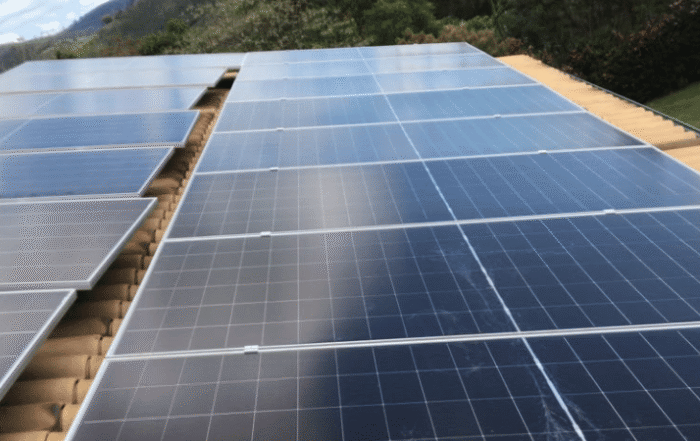
Copaíba adopts photovoltaic system and reinforces commitment to sustainability.
Copaíba adopts photovoltaic system and reinforces commitment to sustainability. The Copaíba Environmental Association has taken another decisive step in [...]
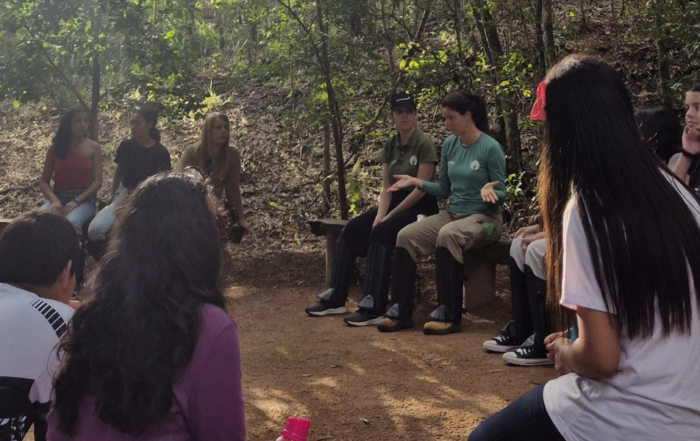
Living in contact with nature is now a right for children.
Living in contact with nature is now a right for children. On September 22, 2026, it was [...]
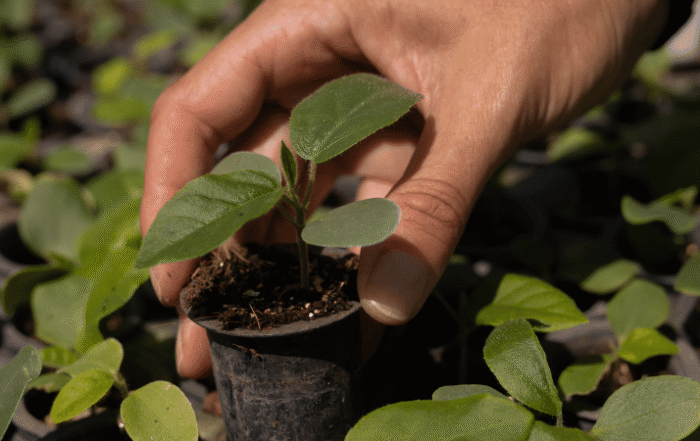
From Seed to Planting: The bottleneck that threatens the restoration of the Atlantic Forest.
From Seed to Planting: The bottleneck threatening the restoration of the Atlantic Forest. Miscommunication between those who produce seedlings [...]


