

Launch of the 6th Assessment Report of the Intergovernmental Panel on Climate Change
Launch of the 6th Assessment Report of the Intergovernmental Panel on Climate Change

The IPCC – Intergovernmental Panel on Climate Change, launched last March 20th, the 6th Assessment Report of the Intergovernmental Panel on Climate Change, and the results detail the devastating consequences of rising greenhouse gas (GHG) emissions around the world.
Composed of a group of hundreds of scientists from different parts of the world, established by the UN, the IPCC Synthesis Report (AR6) is the last volume of an eight-year work, based on discoveries that provide the largest and most comprehensive assessment of the existing climate changes and what we can do to curb the increase in temperature, which already exceeds 1.1° Celsius above pre-industrial levels, which refer to the average of the period from 1850 to 1900.
Human activities, primarily through GHG emissions, have accelerated global warming, and these emissions continue to increase with historical and uneven contributions arising from unsustainable energy use, land use change, lifestyles and consumption patterns and production. As a result, extreme weather events (floods, floods, floods, landslides, drought and drought, wildfires and forest fires, hailstorms, frosts, cold and heat waves, etc.) are occurring with more frequency and intensity, which have generated increasingly dangerous impacts on nature and people in all regions of the world, mainly on the most vulnerable communities and the most fragile ecosystems, such as mangroves, coastal and semi-desert areas, which historically contributed less to GHG emissions, but disproportionately, they are the most affected. Climate-related food insecurity, poverty and water insecurity are predicted to increase due to global warming.
“Nearly half of the world's population lives in regions that are highly vulnerable to climate change. In the last decade, the number of deaths due to floods, droughts and storms has been 15 times higher in highly vulnerable regions”, said Aditi Mukherji, one of the authors of the Report. If we are to stop this increase, it is necessary to achieve drastic, rapid and sustained reductions in greenhouse gas emissions in all sectors, so that they are halved by 2030.
The solution lies in sustainable climate development
This implies integrating climate change adaptation measures with actions aimed at reducing or avoiding the emission of greenhouse gases, so that they provide greater benefits. This system transition involves a significant increase in a broad portfolio of mitigation and adaptation options, which is enabled by increased international cooperation, including better access to financial and technological resources, as well as inclusive governance processes, political commitments and stewardship of ecosystems. . While these changes can help people lead low-energy, lower-carbon lifestyles, they will also promote improved health and well-being. With greater awareness of the consequences of excessive drinking, people can make better-informed decisions.
“Transformative change is more likely to thrive when there is trust, when everyone collaborates to prioritize risk reduction, and when benefits and burdens are shared equally,” said Hoesung Lee, chairman of the IPCC. Knowing about this report is like having valuable information in our hands, so that we can take concrete measures to reduce greenhouse gas emissions and limit global warming. The choices and actions implemented in this decade will have impacts now and for thousands of years to come.
You help restore the Atlantic Forest and offset your CO2 emissions. To continue and expand the restoration of the Atlantic Forest in the region, Copaíba needs supporters and partners. For every R$20.00 a native tree is returned to nature!
Share!
Latest publications
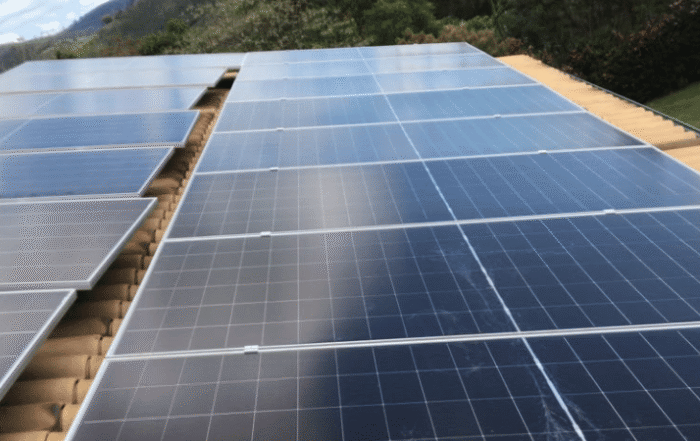
Copaíba adopts photovoltaic system and reinforces commitment to sustainability.
Copaíba adopts photovoltaic system and reinforces commitment to sustainability. The Copaíba Environmental Association has taken another decisive step in [...]
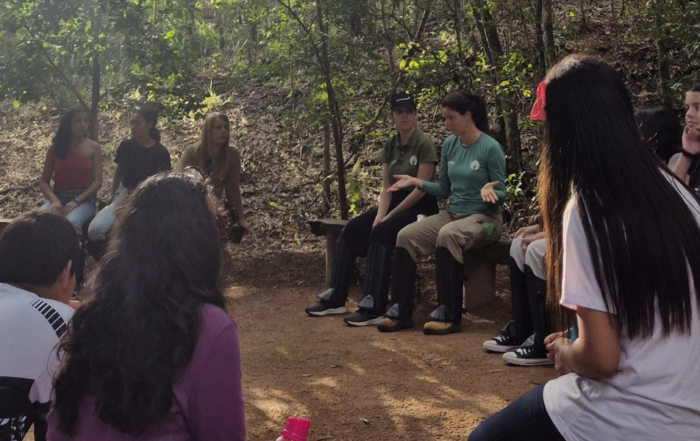
Living in contact with nature is now a right for children.
Living in contact with nature is now a right for children. On September 22, 2026, it was [...]
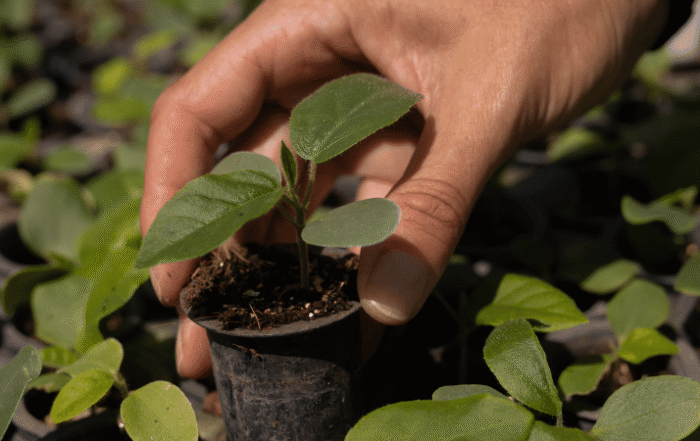
From Seed to Planting: The bottleneck that threatens the restoration of the Atlantic Forest.
From Seed to Planting: The bottleneck threatening the restoration of the Atlantic Forest. Miscommunication between those who produce seedlings [...]


