

Ecological restoration and public policies: investing in nature is investing in life
Ecological restoration and public policies: investing in nature is investing in life

ARTICLE (PUBLIC POLICY)
The latest IPCC Synthesis Report warns that there is a greater than 50% chance that the average global temperature will exceed 1.5°C by 2040, even under reduced emissions scenarios, a threshold considered critical to avoid catastrophic impacts on ecosystems and human society. In Brazil, for example, the climate emergency causes an average of 1,160 natural disasters annually, or three more events per day, including floods, landslides, and prolonged droughts, according to Prevention Web. These data reinforce the urgency of coordinated actions between governments, businesses, and civil society to mitigate climate impacts and promote adaptation to new environmental realities.
These data leave no doubt: it is urgent to adopt coordinated actions between governments, companies, and civil society to mitigate climate impacts and promote adaptation to new environmental realities. In a scenario of increasingly intense climate change, nature and society are intrinsically connected, and disasters are a direct result of environmental degradation and a lack of sustainable planning.
In this context, public policies play a strategic role, not only to reduce risks and protect lives, but also to encourage the recovery of essential ecosystems. Ecological restoration, especially of the Atlantic Forest, emerges as a nature-based solution capable of generating multiple benefits: preventing natural disasters by restoring springs, rivers, and hillsides, reducing erosion and flooding; mitigating climate change through carbon capture and local climate regulation; conserving biodiversity by ensuring habitats for native species and strengthening ecosystem resilience; and strengthening society by promoting environmental awareness and community engagement.
Main public policies
For these results to be effective, it is essential that municipal, state and federal governments implement robust public policies such as structure municipal environmental departments and councils; create environmental funds to subsidize ecological restoration, conservation and environmental education projects; payments for environmental services environmental recovery; creation of Conservation Units and tax exemption (Ecological ISCMS) and integration of natural solutions in urban and rural planning with finspection, municipal drainage plans and policies, land use and conservation, building code, and incentives for soil conservation actions. The compliance with existing laws and the creation of laws to combat fires, for example, in municipalities where this specific legislation does not exist and tax incentives can be powerful tools to drive large-scale restoration initiatives.
THE Copaiba Environmental Association, with over two decades of experience in Atlantic Forest restoration and community mobilization, serves as a strategic partner for governments, businesses, and institutions. By combining scientific knowledge, social engagement, and sustainable practices, we demonstrate that investing in nature is investing in disaster prevention and community safety.
For Copaíba, ecological restoration and public policies go hand in hand. While one restores life to ecosystems, the other creates the institutional and social environment necessary for these efforts to be consolidated, ensuring protection, resilience, and development opportunities for all.
Together, we can transform science and action into real protection for ecosystems and communities, ensuring a solid environmental legacy for future generations.
Share!
Latest publications
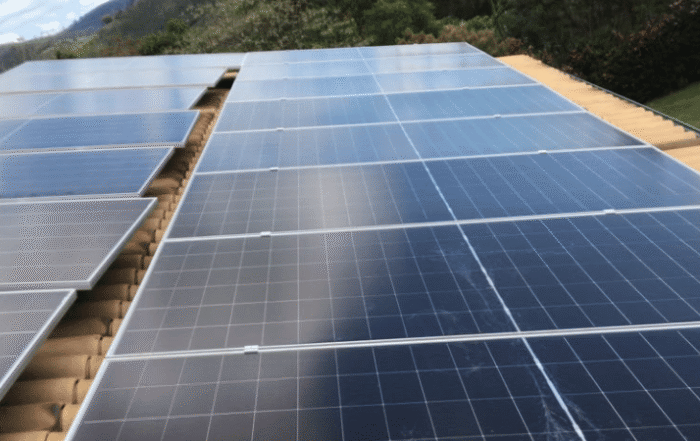
Copaíba adopts photovoltaic system and reinforces commitment to sustainability.
Copaíba adopts photovoltaic system and reinforces commitment to sustainability. The Copaíba Environmental Association has taken another decisive step in [...]
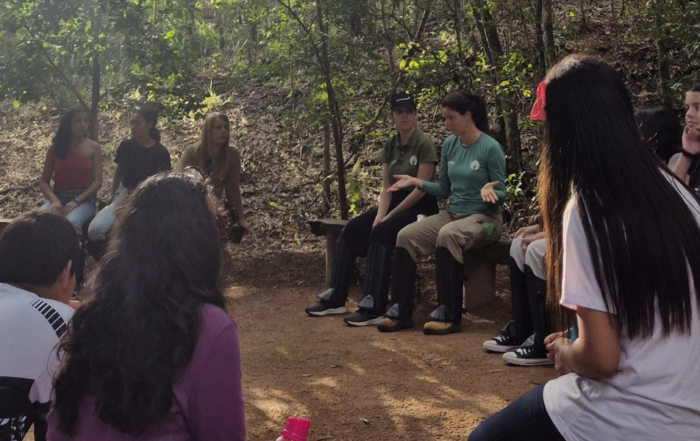
Living in contact with nature is now a right for children.
Living in contact with nature is now a right for children. On September 22, 2026, it was [...]
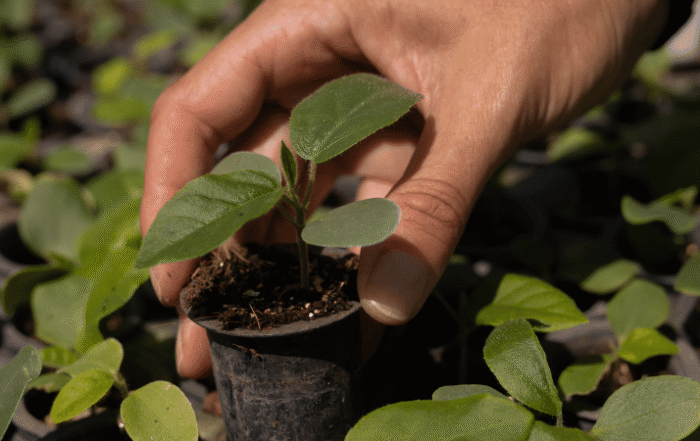
From Seed to Planting: The bottleneck that threatens the restoration of the Atlantic Forest.
From Seed to Planting: The bottleneck threatening the restoration of the Atlantic Forest. Miscommunication between those who produce seedlings [...]


