

Protecting bees to ensure the production of our food
Protecting bees to ensure the production of our food

More than 75% of the world's major food crops are favored by pollination
Bees are considered the most important pollinators we know. Many important crops depend on them for the formation of fruits and seeds. Even in crops that are not totally dependent on pollinators, bees can contribute to increased productivity and improve fruit quality.
Crops that depend directly on pollinators, such as coffee, are taking serious risks with the decline in bees.
Are the bees running out?
Researchers and scholars point out that different factors combined with the use of pesticides are the main cause of the disappearance of bees. Bearing in mind that climate change, reduction of forests and bad agricultural practices are reasons enough for the reduction of these important insects.
What can we do?
Eliminating the use of chemical products or insecticides, especially when plants are in bloom, is an important way to help our important allies. Also, increasing your food supply can help a lot.
Planting forests and, from there, offering a vast diversity of flowers to bees, has been the main action of Verde Novo, a project carried out by Copaíba, sponsored by Petrobras, through the Petrobras Socio-environmental Program. The project aims to contribute to the restoration and conservation of native forests in the region of the Peixe and Camanducaia river basins, between the south of Minas Gerais and the east of the state of São Paulo.
Great partners, lovers of nature and bees, join forces with the Verde Novo team in this action. This was the case of Beatriz de Oliveira Santos (Bia), from Socorro/SP, who was ready to transform part of her property into a forest. Thinking about making the property biodynamic, Bia has taken several actions that reconcile the productivity of the property with a more sustainable use of natural resources.
The property has an apiary, which is part of the sustainable action plans. To enrich the new forest with flowers, species of honey trees were chosen for planting the seedlings, which will feed the bees in the apiary.
“We are taking care of these trees so that they grow very strong and healthy, in order to promote what I sought with you: the restoration of the land, the protection of the property (which will be biodynamic), the addition of honey trees to help the production of honey from our apiary, in addition to bringing back species of birds and animals, contributing to the conservation of nature. It is a great pleasure to be together in this work”, says Bia excited about the partnership.
How to receive the seedlings and support from Verde Novo?
Registration to participate is open. All landowners and farmers in Socorro and region who are interested in receiving the seedlings and support can contact Copaíba by phone: (19) 99953-8382, or email [email protected]. More information on the website copaíba.org.br/verdenovo.
Source: Living Planet Report 2018 – WWF
Share!
Latest publications
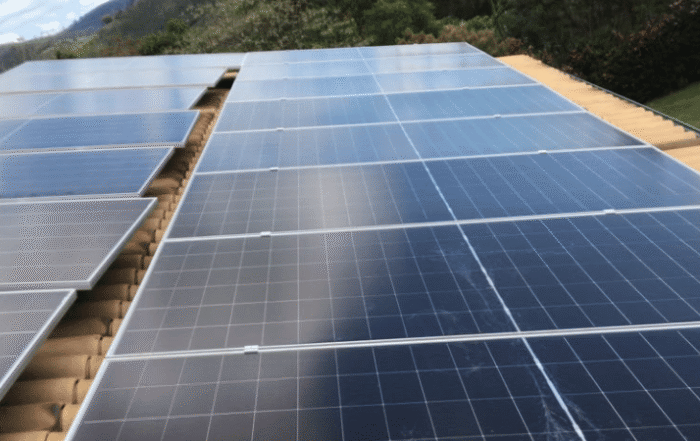
Copaíba adopts photovoltaic system and reinforces commitment to sustainability.
Copaíba adopts photovoltaic system and reinforces commitment to sustainability. The Copaíba Environmental Association has taken another decisive step in [...]
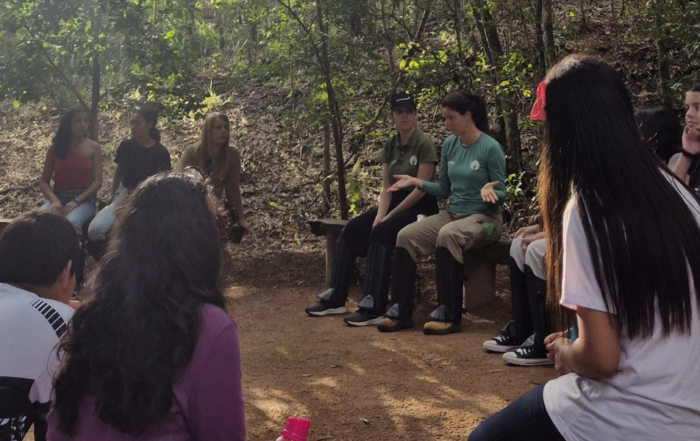
Living in contact with nature is now a right for children.
Living in contact with nature is now a right for children. On September 22, 2026, it was [...]
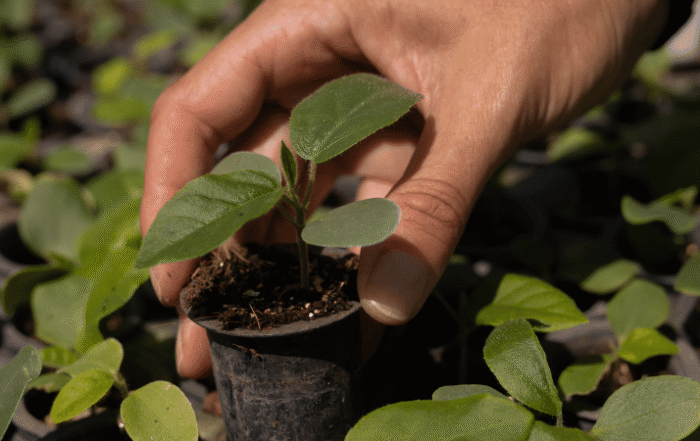
From Seed to Planting: The bottleneck that threatens the restoration of the Atlantic Forest.
From Seed to Planting: The bottleneck threatening the restoration of the Atlantic Forest. Miscommunication between those who produce seedlings [...]


