

River Day reinforces warnings about the preservation of the Peixe and Camanducaia rivers in the region.
River Day reinforces warnings about the preservation of the Peixe and Camanducaia rivers in the region.
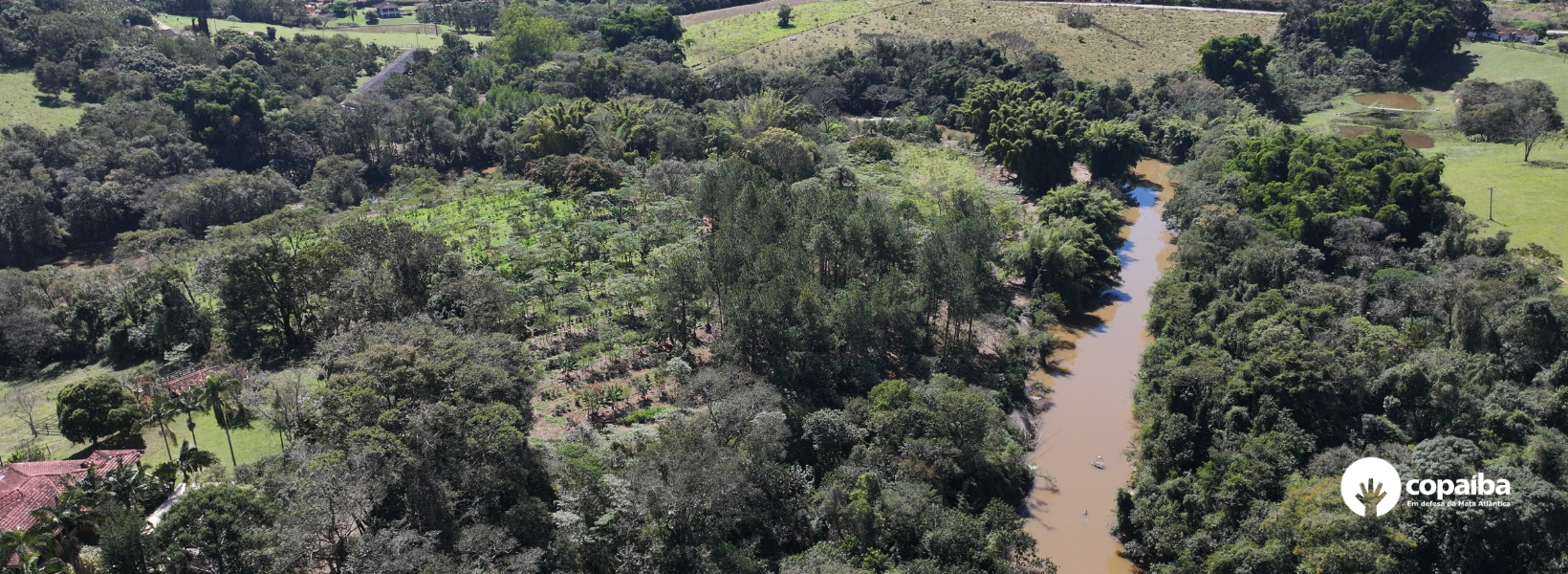
River Day reinforces warnings about the preservation of the Peixe and Camanducaia rivers in the region.
Celebrated on November 24th, the Day of River It is a date dedicated to raising awareness about the preservation, conservation, and recovery of waterways in Brazil. Unlike World Water Day (March 22), which focuses on conscious consumption and freshwater in general, Water Day... River It draws attention specifically to river ecosystems, watersheds, and aquatic and riparian biodiversity.
Although there is no specific federal law that has nationally established November 24th as a national day of celebration, the date has become established through initiatives from civil society and socio-environmental organizations. Several municipalities have already included the commemoration in their official calendars, and... Copaiba Environmental Association It supports the mobilization so that the cities in its area of operation also formalize the date as an instrument of environmental education and local engagement.
Why do rivers matter?
You rivers They are fundamental for water security and supply, guaranteeing the provision of drinking water to urban areas and supporting the irrigation necessary for food production. They also have economic and energy importance, supporting hydroelectric power generation and enabling transport routes in different regions of the country, in addition to playing a strategic ecological role as biodiversity nurseries and climate regulators.
Peixe and Camanducaia Rivers: regional base
In the area of operation of Copaiba, you rivers Peixe and Camanducaia stand out as ecological, hydrological, and socioeconomic hubs.
O river The Peixe River originates in the Serra da Mantiqueira mountain range, in Senador Amaral (MG), and passes through municipalities such as Munhoz (MG), Socorro, Lindóia, Serra Negra and Itapira, in São Paulo, sustaining water supply, biodiversity, rural production and tourism. In Socorro, it is one of the main drivers of adventure tourism and ecotourism, generating employment and income.
Already river The Camanducaia River, which originates in the municipality of Toledo (MG), runs through cities in São Paulo state such as Pedra Bela, Pinhalzinho, Monte Alegre do Sul, Amparo, Jaguariúna, and Holambra, historically linked to its valley. In addition to contributing to the water supply, it influences agricultural and industrial activities along its course.
Challenges and pathways to conservation
Despite the importance of these waterways, conservation still faces significant obstacles. Among the main challenges are the loss of native vegetation in Permanent Preservation Areas (APPs) and hilltops, which favors siltation and reduces the soil's ability to respond to extreme weather events, such as prolonged droughts and intense rainfall in short intervals, as well as the irregular disposal of waste and effluents and contamination by agricultural inputs.
To guarantee the health of rivers In the long term, it depends on integrated management and consistent public policies, such as the Municipal Plans for Conservation and Recovery of the Atlantic Forest (PMMA) and the Municipal Plans for Urban Afforestation (PMAU). In this context, the Copaiba It is expanding its activities in the area of public policy to support municipalities in the region in preventing problems and implementing solutions.
Why preserve them? rivers It's about taking care of our history, regional water security, and life in all its forms.
Copaiba
THE Copaiba Environmental Association It is a non-profit Public Interest Civil Society Organization (OSCIP) based in Socorro (SP). Since 1999, it has been working to conserve and restore the Atlantic Forest in the river basins of rivers The project aims to reach 19 municipalities in the Peixe and Camanducaia regions through integrated actions in public policy, environmental education, native seedling production, and ecological restoration.
Share!
Latest publications
River Day reinforces warnings about the preservation of the Peixe and Camanducaia rivers in the region.
River Day reinforces warnings about the preservation of the Peixe and Camanducaia rivers in the region. Celebrated on November 24th, [...]
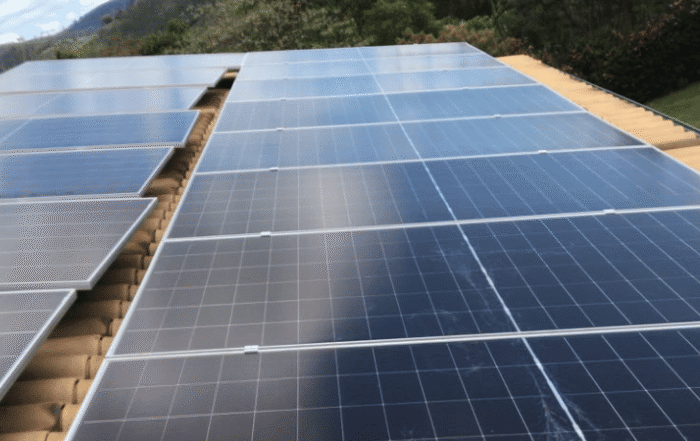
Copaíba adopts photovoltaic system and reinforces commitment to sustainability.
Copaíba adopts photovoltaic system and reinforces commitment to sustainability. The Copaíba Environmental Association has taken another decisive step in [...]
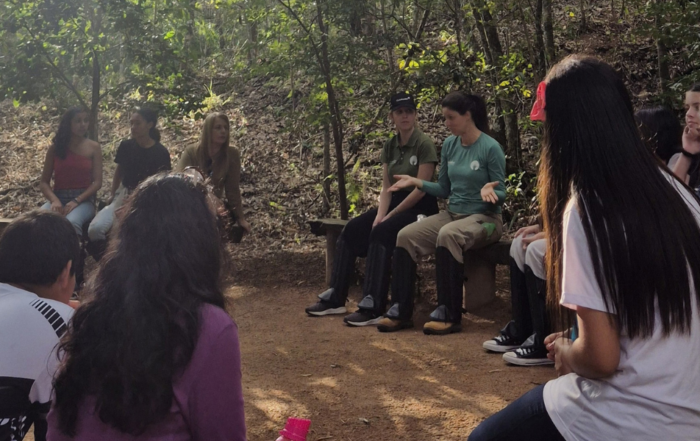
Living in contact with nature is now a right for children.
Living in contact with nature is now a right for children. On September 22, 2026, it was [...]


