

Copaíba joins efforts with the Atlantic Forest and Biosphere Reserve NGO Network in defense of the Camboatá Forest
Copaíba joins efforts with the Atlantic Forest and Biosphere Reserve NGO Network in defense of the Camboatá Forest

Copaíba publishes joint note from RMA and RBMA:
For the preservation of the CAMBOATÁ FOREST.
May the racetrack be elsewhere!
With extreme apprehension, the National Council of the Atlantic Forest Biosphere Reserve - CNRBMA and the Network of Non-Governmental Organizations of the Atlantic Forest - RMA accompany the environmental licensing process for the construction of a race track on the last remnant of the Lowland Ombrophilous Forest of City of Rio de Janeiro.
Located in the Deodoro neighborhood, the Camboatá Forest has an approximate area of 194 hectares and this remnant was mapped as a Priority Area for Biodiversity Conservation by MMA Ordinance No. . The peculiar characteristics of the local flora place this remnant in a condition of irreplaceability. The Camboatá Forest comprises an area included in the Atlantic Forest Biosphere Reserve, recognized by UNESCO, and is home to at least 18 endangered species, 14 of the flora and 4 of the fauna, in addition to providing unique ecosystem services for the neighborhoods located around the Forest.
We understand the State's interest in advancing this proposal for the construction of a race track, however there is no basis to consider such an undertaking as a work of public utility or social interest, under the terms of items VII and VIII of article 3 of the Atlantic Forest Law ( Law No. 11,428, of December 22, 2006). In other words, this area should not even be considered as a locational alternative: let the racetrack be elsewhere!
The Atlantic Forest is one of the national patrimonies defined in article 225 of the Federal Constitution, and its use must be carried out, in accordance with the law, under conditions that ensure the preservation of the environment. It is worth remembering that the same Constitution, in its article 37, requires public administration to obey the principle of legality, among others.
The Atlantic Forest Law determines that the protection and use of the Biome will be carried out under conditions that ensure, among other aspects, the promotion of public and private activities compatible with the maintenance of ecological balance; the disciplining of rural and urban occupation, in order to harmonize economic growth with the maintenance of ecological balance (Article 7), and even if the cutting and
suppression of primary vegetation or in the advanced and medium stages of regeneration of the Atlantic Forest Biome are prohibited when the vegetation harbors species of wild flora and fauna threatened with extinction, in national territory or at the state level, as declared by the Union or by the States, and intervention or subdivision puts the survival of these species at risk (Art. 11), it is evident that the suppression of this unique forest remnant generates a direct and insurmountable conflict with legal determinations.
It is important to point out that the Environmental Impact Studies of any enterprise need to evaluate different technological and locational alternatives. The Atlantic Forest Law, in its article 12, establishes that new undertakings that imply the cutting or suppression of vegetation in the Atlantic Forest Biome should preferably be implanted in areas already substantially altered or degraded. Rio de Janeiro is one of the states that has its territory entirely within the limits of the Atlantic Forest, and today it has about 18.7% of native vegetation cover in different successional stages. Following the legal determinations, in 81.3% of the State's territory, the implementation of this racetrack would not even be conditioned to the observance of the determinations of the Atlantic Forest Law. several areas in the initial stage of regeneration, or even medium, but without the condition of extremely high biological importance that characterizes the Camboatá Forest. It is therefore unacceptable that other locational alternatives, following the guidelines of the Atlantic Forest Law, are not contemplated.
The Atlantic Forest, the biome most compromised by human interventions in the country, cannot lose one of its remnants with recognized biological importance, giving way to the implementation of a race track. The CNRBMA and the RMA expect that the competent state bodies will carry out this process with the caution that the case requires, ruling out the feasibility of this undertaking in the proposed location, as well as that the Union, holder of title to the area, refrain from granting the area for this purpose, and to guarantee the integrity of this priceless forest remnant that is the Camboatá Forest. This will be the real grand prize for Brazil.
Brasilia/São Paulo, August 10, 2020.
John of God Medeiros
RMA
Clayton Ferreira Lino
CNRBMA
Network of Non-Governmental Organizations of the Atlantic Forest
National Council of the Atlantic Forest Biosphere Reserve
Published Note:
Share!
Latest publications
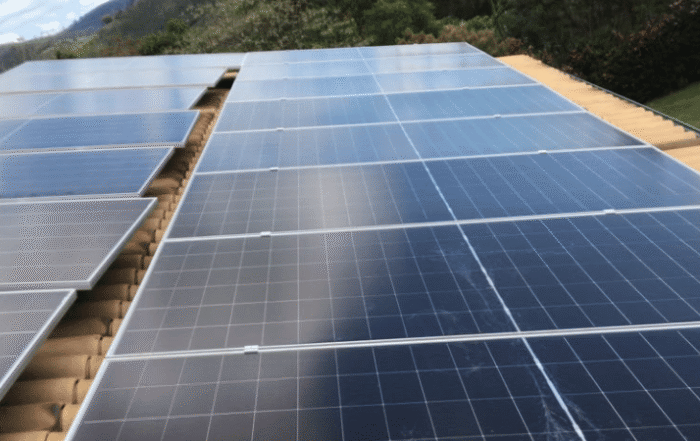
Copaíba adopts photovoltaic system and reinforces commitment to sustainability.
Copaíba adopts photovoltaic system and reinforces commitment to sustainability. The Copaíba Environmental Association has taken another decisive step in [...]
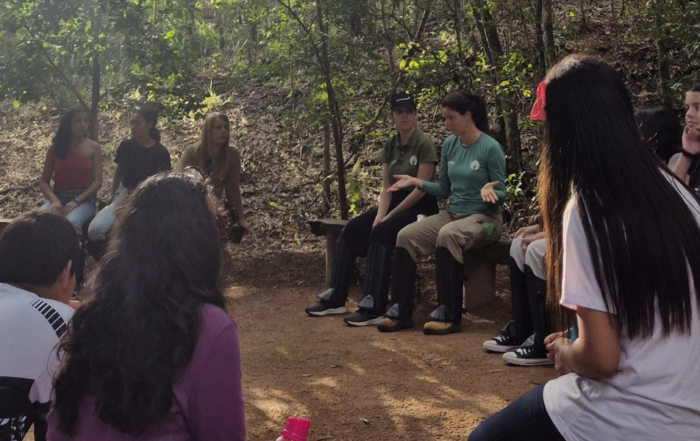
Living in contact with nature is now a right for children.
Living in contact with nature is now a right for children. On September 22, 2026, it was [...]
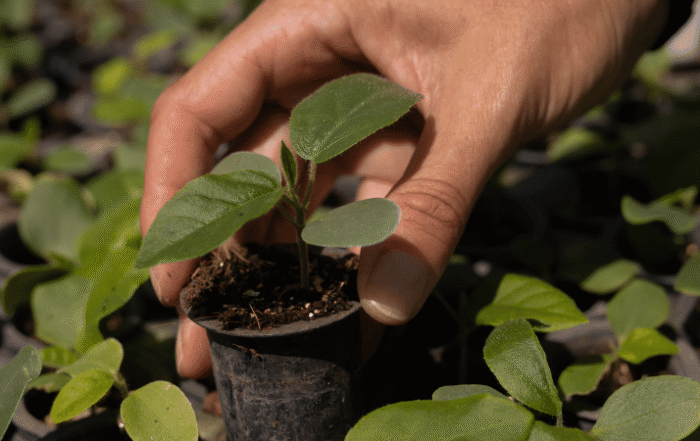
From Seed to Planting: The bottleneck that threatens the restoration of the Atlantic Forest.
From Seed to Planting: The bottleneck threatening the restoration of the Atlantic Forest. Miscommunication between those who produce seedlings [...]


