

Unprecedented booklet connects rural production and conservation of the Atlantic Forest
Unprecedented booklet connects rural production and conservation of the Atlantic Forest
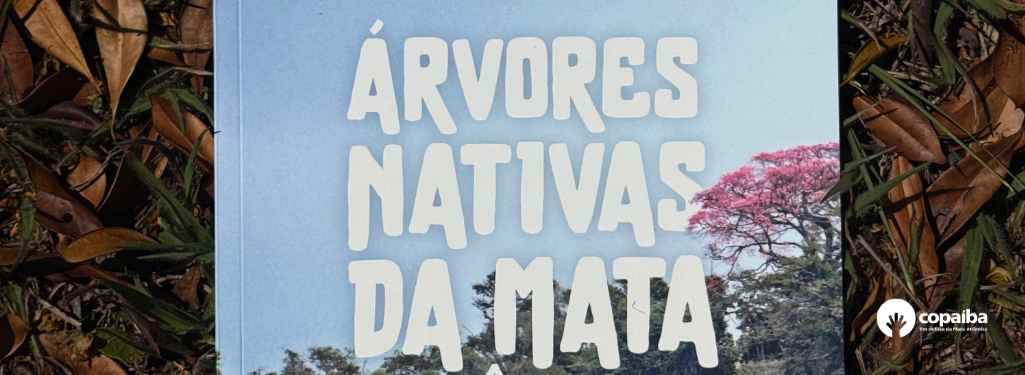
Unprecedented booklet connects rural production and conservation of the Atlantic Forest
Publication presents 110 native species and guides rural producers on integrating Atlantic Forest conservation and sustainable production practices
The Copaíba Environmental Association, in partnership with WWF-Brazil and Sylvamo, launched the booklet “Native trees of the Atlantic Forest: sustainability and use on rural properties”The material brings together information on 110 native species and was developed as a practical tool to support farmers and communities in adopting practices that combine productivity and environmental conservation.
The guide highlights the ecological characteristics and potential uses of species in different contexts, such as the restoration of degraded areas and the implementation of Agroforestry Systems (AFS). The aim is to provide support for rural producers in choosing the most suitable trees for enriching their land, promoting environmental, productive, and social benefits.
The initiative is part of the Mogi Guaçu Roots Program, a partnership between WWF-Brazil and Sylvamo, with implementation by Copaíba. Created to promote the restoration of the Atlantic Forest and the preservation of water sources in the Mogi Guaçu River basin, the program has already restored more than 340 hectares of native forest in the Serra da Mantiqueira region by April 2025.
With 26 years of experience, Copaíba is responsible for producing native seedlings, planning and implementing plantings, and engaging rural landowners and local communities. The organization believes the new booklet expands the reach of these initiatives, offering accessible and applicable knowledge for those who want to cultivate and restore the biodiversity of the Atlantic Forest.
"The booklet represents an important step in bringing rural producers closer to nature-based solutions. By facilitating access to information about native species and their uses, we reinforce that it is possible to produce sustainably while simultaneously restoring the biodiversity and water sources of the Atlantic Forest," emphasizes Flávia Balderi, Executive Secretary of the Copaíba Environmental Association.
The material is available free of charge on our website. Download here!
Benefits of native trees
Native trees of the Atlantic Forest play a fundamental role in maintaining environmental balance, bringing ecological, social, and economic benefits. Their essential role is linked to biodiversity conservation, providing shelter and food for countless species of fauna and flora, many of which are endemic and threatened with extinction.
According to Flávia Balderi, the main benefits offered by plants include soil improvement through nitrogen fixation, increased organic matter, and stabilization against erosion; sustainable production, with the use of fruits, managed wood, essential oils, and resins that generate income for farmers and communities; and environmental protection, as these trees regulate the water cycle, help maintain springs and rivers, in addition to providing shade, reducing temperatures, and improving air quality in urban areas.
"Investing in the restoration and planting of native trees is essential to ensuring a sustainable future, promoting the recovery of ecosystems and the appreciation of the environmental services these species provide," he concludes.
More about Copaiba
Founded in 1999 by a group of friends concerned about the degradation of the Atlantic Forest in the municipality of Socorro, São Paulo, the Copaíba Environmental Association is a non-profit organization, qualified as a Civil Society Organization of Public Interest (OSCIP), operating in 19 municipalities in the eastern region of São Paulo state and southern Minas Gerais. Currently, the association promotes ecological restoration projects and programs; native seedling production; environmental education initiatives; and participation in public policy. In total, over 4 million seedlings have been produced, 300 landowners have been partnered, 713 hectares have been restored, and 40,000 have participated in environmental education experiences. Learn more about Copaíba. Click here
Share!
Latest publications
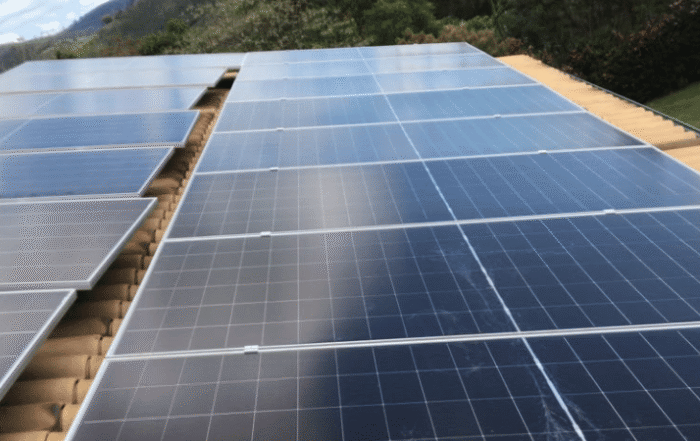
Copaíba adopts photovoltaic system and reinforces commitment to sustainability.
Copaíba adopts photovoltaic system and reinforces commitment to sustainability. The Copaíba Environmental Association has taken another decisive step in [...]
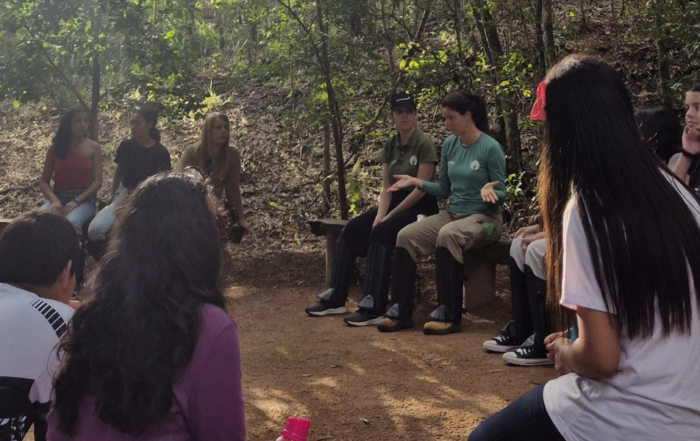
Living in contact with nature is now a right for children.
Living in contact with nature is now a right for children. On September 22, 2026, it was [...]
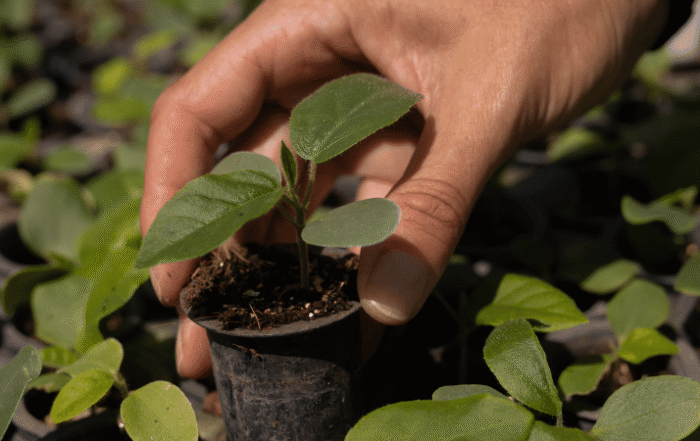
From Seed to Planting: The bottleneck that threatens the restoration of the Atlantic Forest.
From Seed to Planting: The bottleneck threatening the restoration of the Atlantic Forest. Miscommunication between those who produce seedlings [...]


