

Copaíba launches environmental education project with students from the Camanducaia River Basin.
Copaíba launches environmental education project with students from the Camanducaia River Basin.
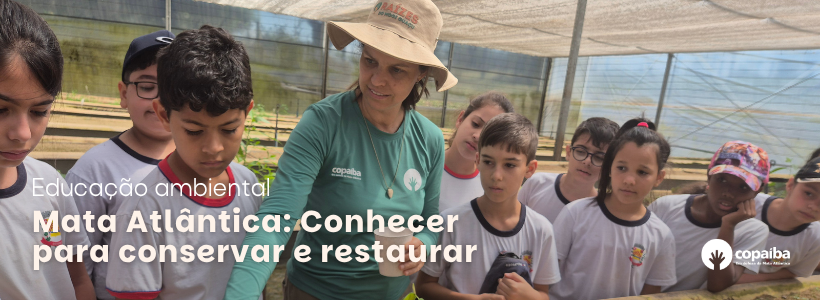
Copaíba launches environmental education project with students from the Camanducaia River Basin.
Two thousand students from the public school system will participate in awareness activities about environmental conservation and water security in the interior of São Paulo state.
The Copaíba Environmental Association announces the start of the project “Atlantic Forest: knowing to conserve and restore”, which will integrate actions of environmental education, conservation and ecological restoration in the Camanducaia River basin until the end of 2027. This is Copaíba's first project with a primary focus on environmental education. The project, which began in March 2026, proposes an integrated approach, combining the expansion of environmental education activities, ensuring socio-environmental training for local communities, with ecological restoration actions contributing to the conservation of biodiversity, the protection of springs, the increase in vegetation cover, and the improvement of soil quality in the Camanducaia River basin region.
The project is carried out in partnership with the Clariant Foundation, a non-profit organization based in Switzerland, which has been assisting organizations and projects worldwide since 2024 in the areas of education, culture and arts, research and science, and social engagement. For Flávia Balderi, executive secretary of Copaíba, the support of the Clariant Foundation will be essential to expand the impact of the organization's actions in a territory that demands urgent attention. “The Camanducaia River basin presents a critical conservation scenario, with only a small portion of the native vegetation still preserved. Projects like this are fundamental because they integrate environmental education, ecological restoration, and forest conservation. In addition to strengthening our headquarters and enhancing educational experiences, this initiative directly contributes to the protection of the Atlantic Forest and the springs that supply the region,” stated Flávia.
environmental education
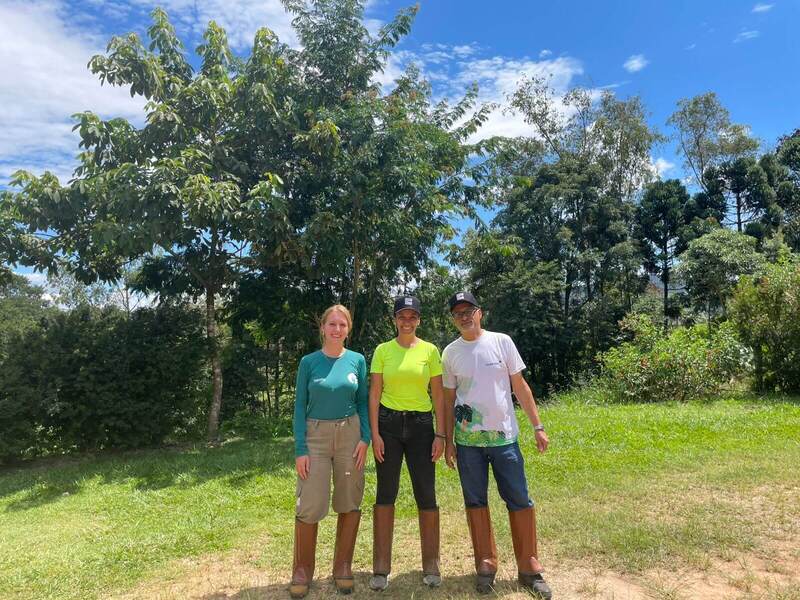
Nadine Tonelli Cavalari, Resources Coordinator at Copaíba, is with Samira Prestes Rosa, Social Responsibility Analyst, and Valter Gomes, Coordinator of the Technical Schools Project, at the site where the Copaíba Environmental Education Center will be built.
On the axis of Environmental education, The project foresees educational experiences for 2,000 elementary and high school students from public schools in the municipalities of Monte Alegre do Sul, Pedra Bela, Pinhalzinho, Socorro (SP), and Toledo (MG), all belonging to the Camanducaia River basin. It also includes the reprinting of the educational booklet "Viva a Mata Atlântica" (Long Live the Atlantic Forest) and the construction of the first phase of the Environmental Education Center (CEA), which will ensure even greater comfort and safety for student visits to Copaíba's headquarters. According to Viviane Candotta, Copaíba's environmental educator responsible for overseeing the project's activities, "these experiences offer sensory and practical learning, stimulating students' curiosity about natural resources. By interacting with seeds, fruits, seedlings, and native trees, participants learn about the species of the Atlantic Forest and understand their importance for environmental conservation.".
Ecological Restoration
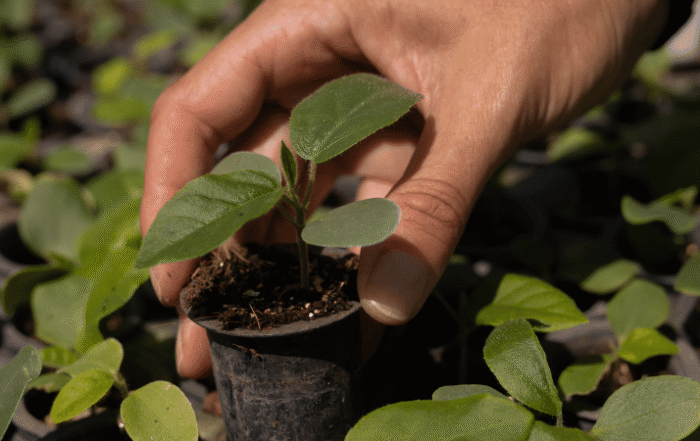
In the area of Ecological Restoration, actions include the restoration of 1 hectare of degraded area in an urban expansion zone, with the planting of 2,000 native seedlings of the Atlantic Forest, and also the conservation of two remaining forest fragments, totaling 30 hectares conserved. Ana Paula Balderi, coordinator of the Copaíba restoration project, emphasizes that initiatives like this are fundamental to strengthening the environmental resilience of the Camanducaia River basin. “The restoration of degraded areas and the conservation of forest fragments directly contribute to the protection of springs, the improvement of water quality, and the maintenance of biodiversity. These are important actions to recover ecological functions of the landscape and increase the water security of the region,” stated Ana Paula.
Importance of the project
The Camanducaia River sub-basin is part of the Piracicaba, Capivari and Jundiaí (PCJ) river basin, which faces a critical environmental conservation situation. According to a 2023 study by the SOS Mata Atlântica Foundation and INPE, this region has only 4.6% of its original native vegetation remaining, as it suffers the impacts of decades of inadequate land use, disordered urban expansion, and the removal of riparian forests, resulting in erosion, siltation of waterways, loss of biodiversity, and compromised water availability and quality.
Therefore, the recovery of degraded areas and the protection of remaining forest fragments are essential strategies to restore the ecological functionality of the landscape, reducing environmental vulnerability and guaranteeing water security for the local population and for regions supplied by the Alto Tietê system, which receives water from the PCJ. The socio-environmental challenges of the region require constant environmental education actions as a tool to promote awareness, a sense of belonging, and engagement with sustainable practices.
Copaiba
THE Copaiba Environmental Association Copaíba is a non-profit civil society organization based in the municipality of Socorro (SP), which has been working since 1999 with the mission of conserving and restoring the Atlantic Forest in the basins of the Peixe and Camanducaia rivers. Present in 19 municipalities in this region, Copaíba develops integrated actions in the areas of ecological restoration, production of native seedlings, environmental education and public policies, promoting the reconnection of people with nature and contributing to the protection of natural resources, especially water and biodiversity. Recognized regionally and nationally, Copaíba has the support of several public and private institutions, such as FEHIDRO, Petrobras, Ministry of the Environment, PCJ Consortium, SOS Mata Atlântica Foundation, ECOSIA, Tree Nation, Lush Cosmetics, WWF Brazil, Sylvamo, One Tree Planted, among others.
Share!
Latest publications
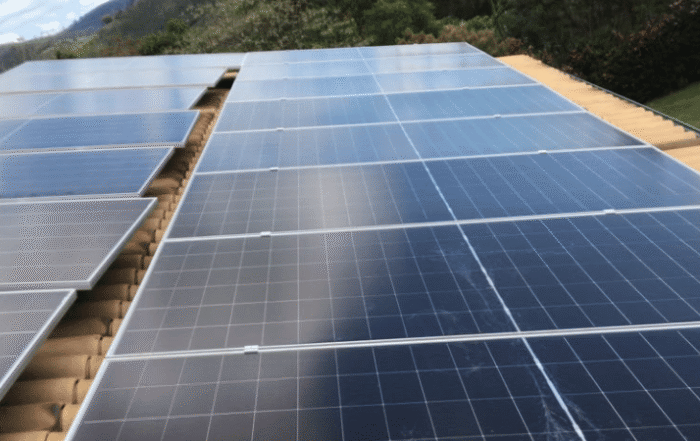
Copaíba adopts photovoltaic system and reinforces commitment to sustainability.
Copaíba adopts photovoltaic system and reinforces commitment to sustainability. The Copaíba Environmental Association has taken another decisive step in [...]
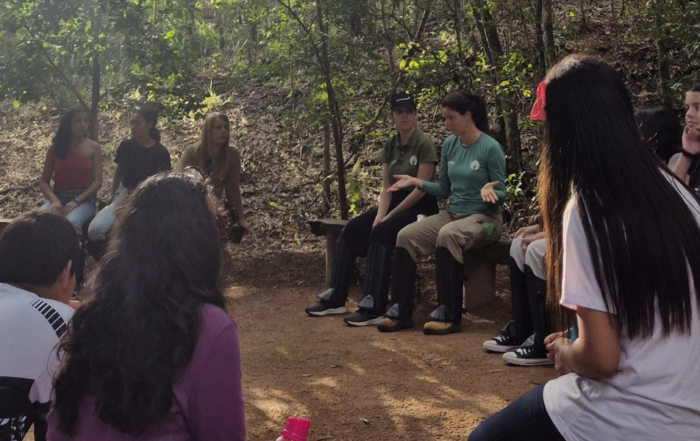
Living in contact with nature is now a right for children.
Living in contact with nature is now a right for children. On September 22, 2026, it was [...]
From Seed to Planting: The bottleneck that threatens the restoration of the Atlantic Forest.
From Seed to Planting: The bottleneck threatening the restoration of the Atlantic Forest. Miscommunication between those who produce seedlings [...]


