

Copaíba warns about the impacts of the Devastation Bill on our region
Copaíba warns about the impacts of the Devastation Bill on our region

Copaíba warns about the impacts of the Devastation Bill on our region
Last week, the Chamber of Deputies approved Bill 2159/2021, a bill that now awaits a presidential veto to prevent it from becoming law. Dubbed the "Devastation Bill," the initiative represents a serious setback, dismantling current environmental licensing mechanisms and promoting a dangerous deregulation of the country's environmental laws. The approved text puts all Brazilian biomes at risk, with particularly severe impacts on the Atlantic Forest. In our region, only 4% of the original cover of this biome remains, fragments of which are vital for biodiversity, water security, and climate balance.
Why is the PL a direct threat to the Atlantic Forest?
The approved text eliminates the application of the Atlantic Forest Law (11.428/2006), allowing the removal of native vegetation in already extremely reduced areas. It weakens the protection of Permanent Preservation Areas (APPs), which are essential for preventing floods, containing landslides, ensuring aquifer recharge, and ensuring water supply for the population and productive activities. It also transfers critical decisions to municipalities, many of which lack adequate technical infrastructure, resources, or oversight—as is the case with the 19 municipalities in eastern São Paulo and southern Minas Gerais where we operate.
What are the risks for our region?
The Peixe and Camanducaia river basins, which cross two states with distinct environmental agencies and little integration, already face significant challenges. With the bill's approval, the situation is likely to worsen. Medium-sized projects, common in our region, will no longer be subject to environmental impact assessments, requiring only a license by adhesion and commitment (LAC), which could significantly increase pressure on our remaining forests, rivers, and springs. Small municipalities, lacking technical capacity, will be even more vulnerable to short-sighted local interests, lacking minimum guarantees of environmental protection.
The population will feel the impacts directly: less vegetation and protected areas increase the risk of flooding, water scarcity, landslides, biodiversity loss, worsening air and water quality, more disease, ecological imbalance, and damage to health and the economy. These impacts are already being felt in several cities and are likely to intensify with the weakening of environmental legislation.
Copaíba invites everyone to mobilize for the veto!
Bill 2159/2021 is an attack on the future of the Atlantic Forest and the communities that depend on it. In a biome already so threatened, we cannot accept any further setbacks. It is urgent that everyone demand that the president completely veto this project.
To support, sign the petition: https://peticaopublica.com.br/pview.aspx?pi=BR151034.
More about Copaiba
Created in 1999 by a group of friends who were concerned about the degradation of the Atlantic Forest in the municipality of Socorro-SP, the Copaíba Environmental Association is a non-profit organization, qualified as a Civil Society Organization of Public Interest (OSCIP) and which operates in 19 municipalities in the eastern region of the State of São Paulo and southern Minas Gerais. Currently, the association promotes ecological restoration projects and programs; production of native seedlings; environmental education initiatives and participation in public policies. In total, more than 4 million seedlings have been produced, more than 1 million trees have been planted involving 700 partner landowners, 809 hectares have been restored and 40 thousand participants have participated in Environmental Education experiences. Learn more at: https://copaiba.org.br/.
Share!
Latest publications
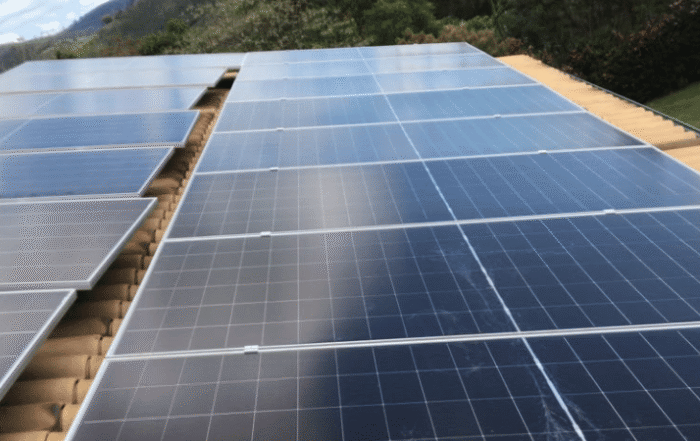
Copaíba adopts photovoltaic system and reinforces commitment to sustainability.
Copaíba adopts photovoltaic system and reinforces commitment to sustainability. The Copaíba Environmental Association has taken another decisive step in [...]
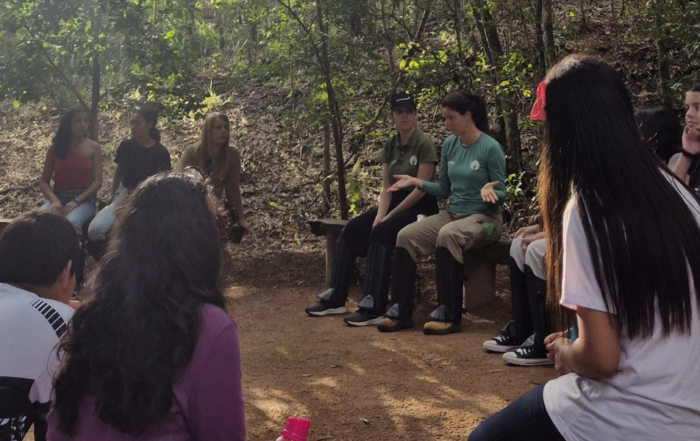
Living in contact with nature is now a right for children.
Living in contact with nature is now a right for children. On September 22, 2026, it was [...]
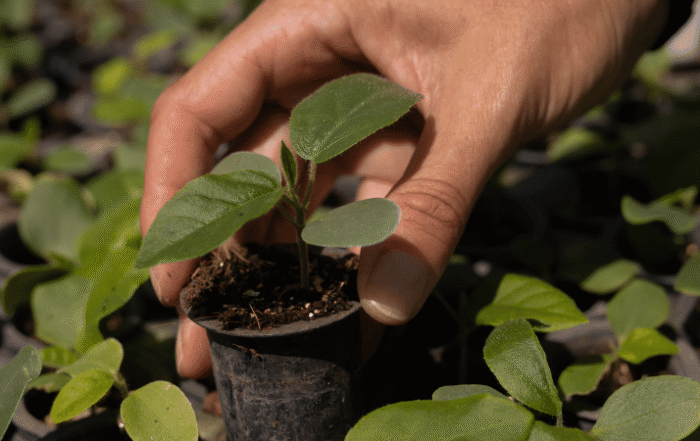
From Seed to Planting: The bottleneck that threatens the restoration of the Atlantic Forest.
From Seed to Planting: The bottleneck threatening the restoration of the Atlantic Forest. Miscommunication between those who produce seedlings [...]


