

Plant Blindness: Why can't we see plants?
Plant Blindness: Why can't we see plants?

Plant Blindness: Why can't we see plants?
Have you ever noticed how easy it is to remember the names of many animals—mammals, insects, birds, fish—but how difficult it is to name the plants around you? You might recognize a flowering ipê tree or a fern, but what about the other trees and herbs in your neighborhood, the park, or on your way to work?
This difficulty, which seems simple, has a name: botanical blindness.
What is plant blindness?
The term botanical blindness (botanical blindness It was created in 1998 by American researchers James Wandersee and Elisabeth Schussler to describe a curious—and worrying—human tendency: the inability to perceive and recognize the importance of plants in life and ecosystems..
The reasons are many. We live in increasingly urbanized societies, distant from nature and food production. Our schools often dedicate more time to animals than to plants in science classes. And in popular culture, the plant world usually appears as a backdrop, a green setting, and not as the protagonist of life.
As a result, we come to see the natural environment in an incomplete way — We see the animals, but we forget about the plants. that sustain the entire web of life.
Why is this an environmental and social problem?
THE botanical blindness It goes far beyond a lack of knowledge about species. It affects our an emotional and ethical relationship with the planet.
When we fail to recognize the value of plants, we also fail to acknowledge their essential role: producing oxygen, regulating the climate, maintaining fertile soil, providing shelter for other life forms, and supplying food, medicine, and shelter for us and all other living species.
Without this understanding, it becomes more difficult to engage society in... conservation of native flora and in protection of ecosystems.
And there is an important social effect: if plants are not seen, they are also not valued in public policies, school curricula, or consumer decisions.
How to overcome plant blindness
The good news is that we can — and should — relearn how to see plants.
THE Copaiba Environmental Association believes that environmental education It is a powerful ally in this process. Projects that bring people closer to the plant world have shown incredible results:
- school and community gardens;
- Ecological trails with species identification;
- Botanical art and gardening workshops;
- Activities involving observation and contemplation of nature.
These experiences awaken curiosity, affection, and a sense of belonging. When we learn about a plant by name, its history, and its function in the ecosystem, it ceases to be "just any green thing" and becomes part of our world.
Environmental associations, such as Copaiba, They play an essential role in this collective awakening: to re-enchant people's gaze towards the world of plants. — this silent, diverse, and fascinating world that sustains all life on Earth.
Overcoming plant blindness is a crucial step in rebuilding our connection with the planet.
By recognizing the value of plants, we begin to see more clearly the invisible fabric that unites all forms of life.
The next time you walk through a park or look out the window, try to notice: what plants live around you? How do they change with the seasons? What stories do they tell?
Seeing the plants is also to see life in its entirety — and to finally see the world with more attentive and sensitive eyes.
Article by the Environmental Education Team
Share!
Latest publications
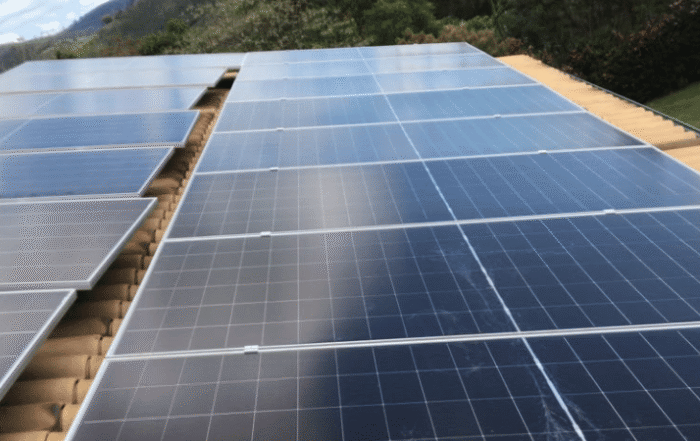
Copaíba adopts photovoltaic system and reinforces commitment to sustainability.
Copaíba adopts photovoltaic system and reinforces commitment to sustainability. The Copaíba Environmental Association has taken another decisive step in [...]
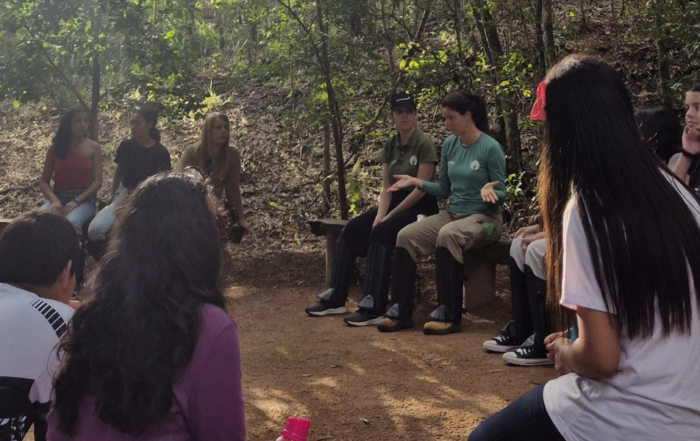
Living in contact with nature is now a right for children.
Living in contact with nature is now a right for children. On September 22, 2026, it was [...]
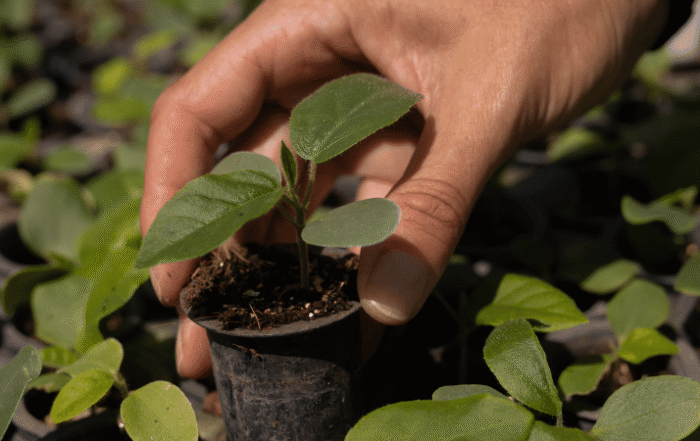
From Seed to Planting: The bottleneck that threatens the restoration of the Atlantic Forest.
From Seed to Planting: The bottleneck threatening the restoration of the Atlantic Forest. Miscommunication between those who produce seedlings [...]


