

Environmental Educator's Day reinforces the importance of awareness and care for the planet
Environmental Educator's Day reinforces the importance of awareness and care for the planet
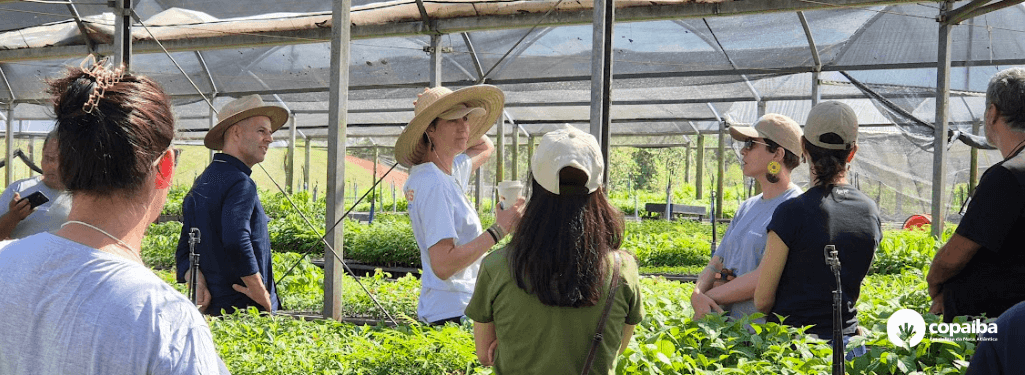
Copaíba reinforces the importance of creating more conscious generations committed to the future of the planet
October 15th is recognized as Environmental Educator's Day, and according to Law No. 9.795/1999, environmental education is mandatory at all levels and modalities of education and must be integrated and continuous in school curricula. The legislation reinforces that environmental education is not a one-off activity, but a shared responsibility among schools, governments, businesses, and civil society.
In a scenario marked by climate change and the increasing loss of biodiversity, environmental education takes on even more urgency as one of the key strategies for promoting a more balanced relationship between society and nature. More than just curricular content, it's a process of developing values, attitudes, and practices focused on sustainability and environmental citizenship.
To Viviane Candotta Gabriel, environmental educator at Copaíb Environmental AssociationThe, the topic needs to be treated as a priority in public policies and pedagogical practices. "Environmental education goes far beyond the classroom. It's an invitation to reflect on our habits and how each individual action has a collective impact. When the topic is consistently addressed in schools, it becomes part of the civic development of children and young people," he states.
With over two decades of experience in ecological restoration of the Atlantic Forest and community mobilization, Copaíba develops projects that connect students with nature and encourage experiential learning. "Educational initiatives awaken a sense of belonging and show that everyone can be an agent of change. It's inspiring to see a child participate in a planting project and begin to see themselves as part of the forest," Viviane emphasizes.
The educator also emphasizes that investing in environmental education is investing in prevention. "When governments and educational institutions make this commitment, they are contributing to reducing environmental risks, improving quality of life, and developing more conscious citizens. Environmental education is, above all, a tool for social transformation," she says.
For her, the most beautiful impact of this work lies in the small changes that multiply. "When a child learns about the importance of a tree and teaches it at home, we see the transformation begin. It's at this moment that knowledge becomes care, and care becomes the future."
Copaíba maintains a comprehensive environmental education initiative, open to schools, universities, businesses, and other institutions interested in experiencing firsthand the value of conserving and restoring the Atlantic Forest. Learn more at: https://copaiba.org.br/educacao-ambiental/.
Share!
Latest publications
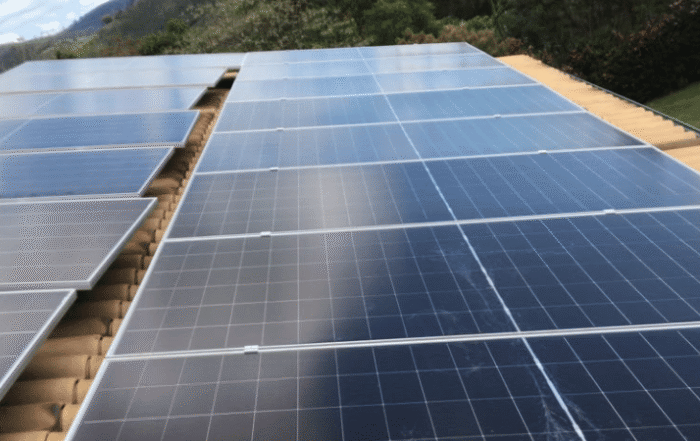
Copaíba adopts photovoltaic system and reinforces commitment to sustainability.
Copaíba adopts photovoltaic system and reinforces commitment to sustainability. The Copaíba Environmental Association has taken another decisive step in [...]
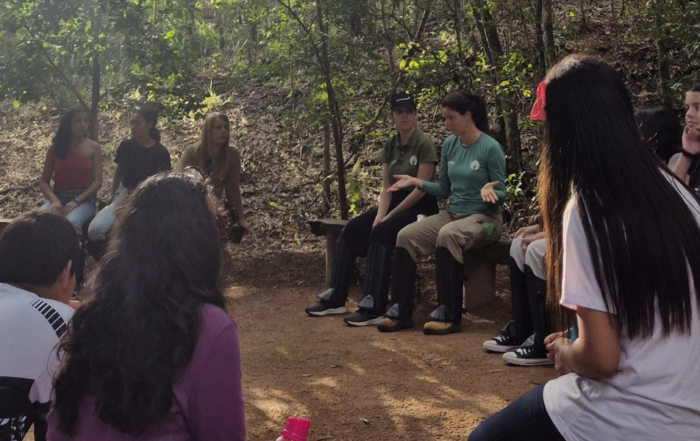
Living in contact with nature is now a right for children.
Living in contact with nature is now a right for children. On September 22, 2026, it was [...]
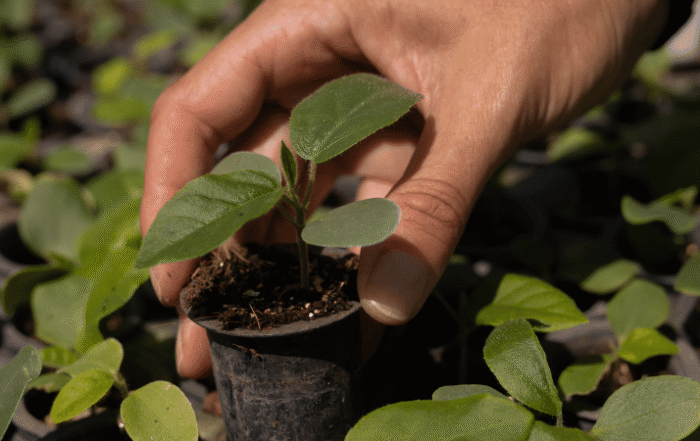
From Seed to Planting: The bottleneck that threatens the restoration of the Atlantic Forest.
From Seed to Planting: The bottleneck threatening the restoration of the Atlantic Forest. Miscommunication between those who produce seedlings [...]


