

Recent data reveals increasing impacts of rain, drought and extreme heat
Recent data reveals increasing impacts of rain, drought and extreme heat

March 16th is marked as National Climate Change Awareness Day, and Brazilians across the country are literally feeling the consequences of the climate imbalance that the planet is facing. Climate change refers to significant, long-term changes in Earth's global weather patterns. These changes can include variations in global average temperature, precipitation patterns, sea levels and other important weather phenomena.
In January, we experienced torrential rain, with rainfall levels considered abnormal for the same period in several regions of the country. Socorro/SP was one of the cities affected on 20/01, with a recorded volume of approximately 130mm and which, due to several factors, left destruction wherever it went.

Source: INPE – taken from Jornal O Globo – 02/01/2024
However, this perception of climate extremes is not restricted to recent months.
According to the boxplot of monthly precipitation from INPE (National Institute for Space Research), it is easy to see the significant increase in rainfall in January 2023, compared to the period 1981 to 2010, and the opposite in the months of November and December, with rainfall well below average.

Another extreme that Brazilians have been facing are suffocating heat waves. According to Climatempo, temperatures are 5ºC above the average in the country, and thermal sensations reach 62.3°C, as was recorded in the city of Rio de Janeiro, on the 17th.

Source: INPE – taken from Jornal O Globo – 02/01/2024
It is critical to recognize that climate change is not just a future problem, it is affecting our lives now. Loss of human life, economic damage and irreparable damage to the environment are just some of the consequences of these events.
We need to raise awareness and mobilize people around the world to take both individual and collective measures to reduce their carbon footprint and mitigate the effects of climate change. This encompasses a variety of actions, such as reducing energy consumption, opting for sustainable means of transport, supporting renewable energy sources, planting trees, adopting more sustainable agricultural practices and making more responsible decisions. consumption, including increased recycling. These initiatives are essential to confront the climate crisis and preserve the future of our planet. #AgirÉrgent!
Share!
Latest publications
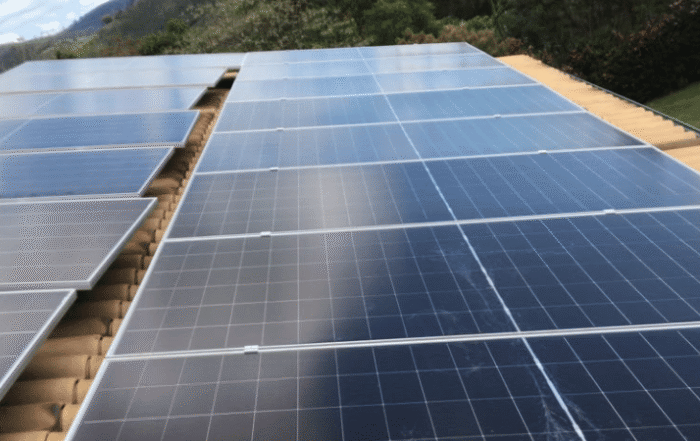
Copaíba adopts photovoltaic system and reinforces commitment to sustainability.
Copaíba adopts photovoltaic system and reinforces commitment to sustainability. The Copaíba Environmental Association has taken another decisive step in [...]

Living in contact with nature is now a right for children.
Living in contact with nature is now a right for children. On September 22, 2026, it was [...]
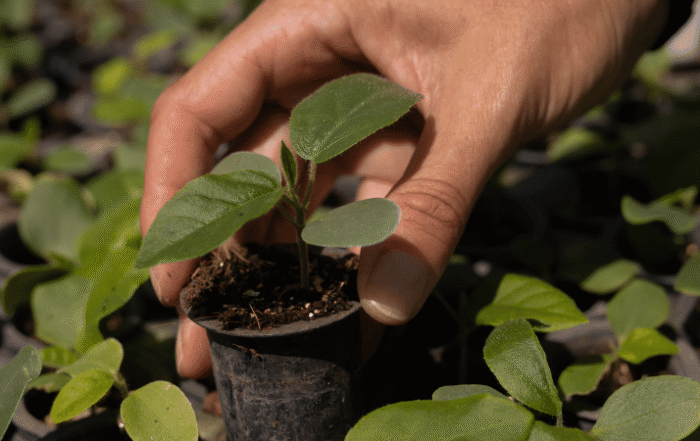
From Seed to Planting: The bottleneck that threatens the restoration of the Atlantic Forest.
From Seed to Planting: The bottleneck threatening the restoration of the Atlantic Forest. Miscommunication between those who produce seedlings [...]


