

Biodiversity, we are part of it!
Biodiversity, we are part of it!

Biodiversity, we are part of it!
May 22nd is World Biodiversity Day. And what is it anyway? Biodiversity or biological diversity is the variety of species of animals, plants, microorganisms and other forms of life in the natural world, also considering their genetic diversity.
It is not yet known how many species of animals and plants there are in the world. There are only estimates. The species that are known are only a small percentage of everything that exists and has yet to be discovered. Studies indicate that about 90% of the species are still not known and cataloged.
But what is biodiversity for?
The loss of biodiversity has increased at an alarming rate. Currently, experts estimate that the rate of species extinction is at 0.1% per year. This means that, per year, 8,700 species are lost. Many of these losses are caused by ourselves – consequences of social and economic development. Pollution, overuse of natural resources, expansion of the agricultural frontier, urban and industrial sprawl are all driving many plant and animal species to extinction. And we intrinsically depend on this biological diversity for our survival.
Thus, the richer the biological diversity, the greater the opportunity for discoveries in the fields of medicine, food and also economic development.
What to do to conserve biodiversity?
The conservation of species in their natural habitat is the most appropriate way to conserve biodiversity. For this, it is extremely important to create Conservation Units (UCs) – protected areas that allow the conservation not only of species of high ecological, economic or scientific value, but the entire environment, with its inter- and intra-specific relationship processes.
There is a National System of Conservation Units (SNUC) that provides legal mechanisms for the creation of these Units, at the federal, state and municipal government levels. These are the UCs that will guarantee the preservation of nature, from the full protection of ecosystems to a more sustainable use of natural resources, also reconciling human presence in protected areas.
Although the establishment of UCs is one of the most efficient strategies for the conservation of biodiversity, this is also the role of all of us. In a simpler way we can contribute to this action: respecting nature, animals, plants and all other forms of life; planting trees native to the region, taking care of the nature of our surroundings; consuming less, or only what we really need; reusing the materials or reusing them.
Finally, we can contribute with small actions in our daily lives, starting with our choices and together, we can build a better and more environmentally preserved world.
Share!
Latest publications
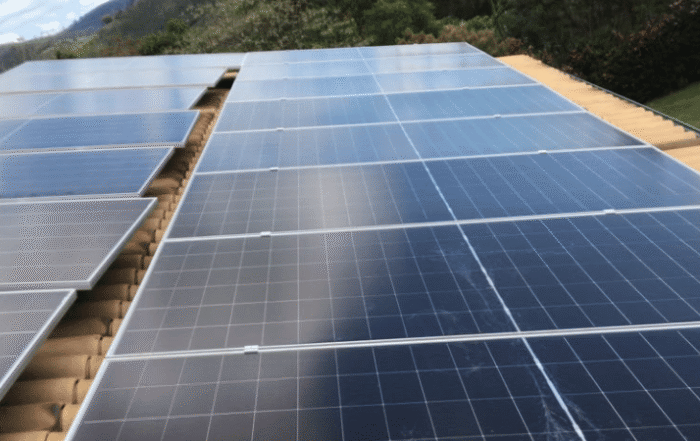
Copaíba adopts photovoltaic system and reinforces commitment to sustainability.
Copaíba adopts photovoltaic system and reinforces commitment to sustainability. The Copaíba Environmental Association has taken another decisive step in [...]
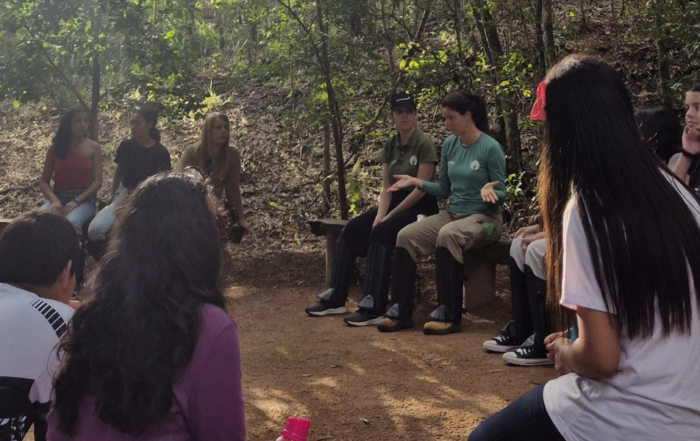
Living in contact with nature is now a right for children.
Living in contact with nature is now a right for children. On September 22, 2026, it was [...]
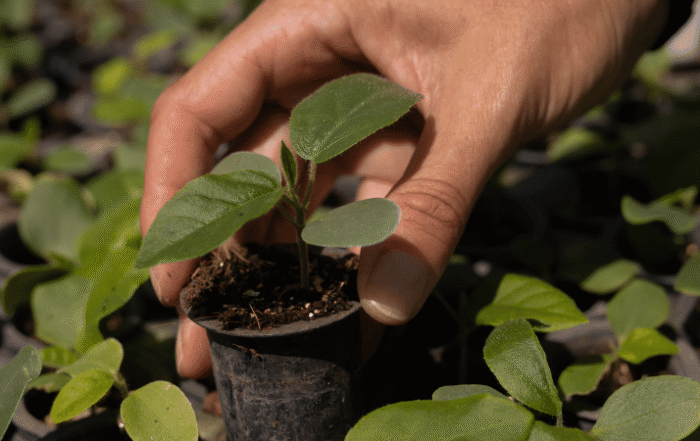
From Seed to Planting: The bottleneck that threatens the restoration of the Atlantic Forest.
From Seed to Planting: The bottleneck threatening the restoration of the Atlantic Forest. Miscommunication between those who produce seedlings [...]


