

Copaíba recovers forests with support from FEHIDRO
Copaíba recovers forests with support from FEHIDRO

A few years ago, Copaíba started the projects of the “Restoration of the
riparian areas of springs and watercourses in the Rio do Peixe basin” and “Forest Restoration of
sources and tributary streams of the Rio do Peixe”, contracts FEHIDRO 292/2014 (code MOGI
417) and FEHIDRO 186/2015 (Mogi 476), both with financial resources from FEHIDRO (Fund
State of São Paulo Water Resources), through the Basin Committee
Hydrographic of the Mogi Guaçu River.
All these areas undergoing restoration need to be monitored and receive
constant maintenance. For this it is necessary to control leaf-cutting ants, crown
around the planted seedlings, brushing the competing grass between the planting lines,
fertilize the seedlings when necessary, in short, it is essential to take care of these seedlings,
contributing to good development in the field.
These areas maintenance actions are being carried out in more than 20 hectares.
There are almost 30 thousand seedlings of trees native to the Atlantic Forest planted by Copaíba
in these areas and which today are also being cared for by the institution.
Soon, this microbasin will have new forests formed, contributing to the
water conservation, controlling erosion and silting of water courses, and more
than that, providing shelter and food for wild fauna, contributing
for the conservation of biodiversity.
These and other Copaíba activities can also be accompanied by the
facebook.com/associacaoambientalistacopaiba.
Share!
Latest publications
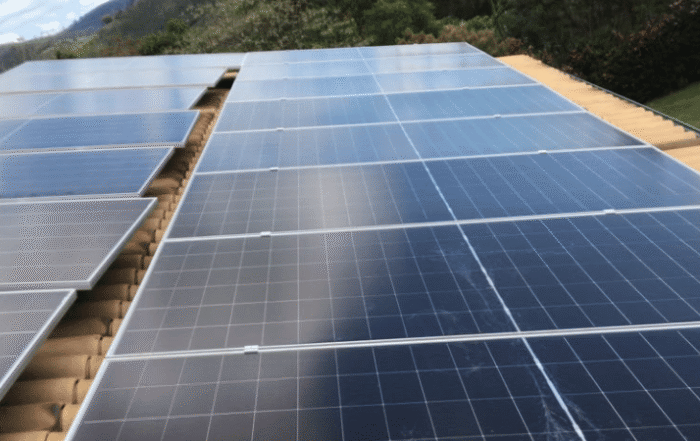
Copaíba adopts photovoltaic system and reinforces commitment to sustainability.
Copaíba adopts photovoltaic system and reinforces commitment to sustainability. The Copaíba Environmental Association has taken another decisive step in [...]
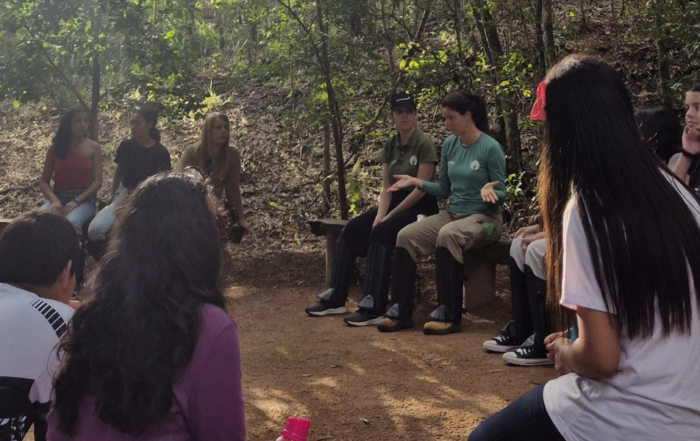
Living in contact with nature is now a right for children.
Living in contact with nature is now a right for children. On September 22, 2026, it was [...]
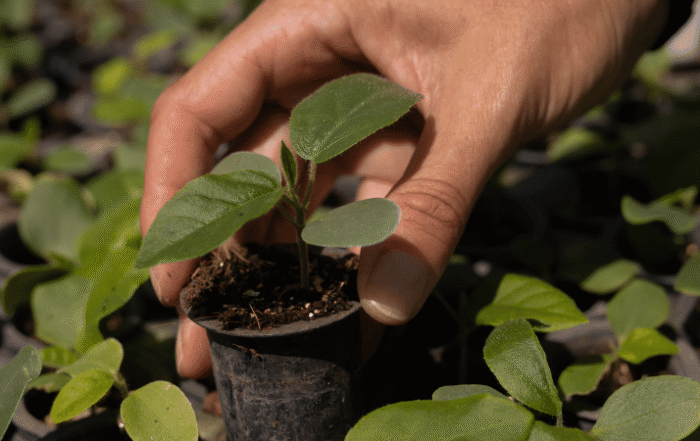
From Seed to Planting: The bottleneck that threatens the restoration of the Atlantic Forest.
From Seed to Planting: The bottleneck threatening the restoration of the Atlantic Forest. Miscommunication between those who produce seedlings [...]


