

Historic Itapira farm receives reforestation action from the Copaíba Environmental Association
Historic Itapira farm receives reforestation action from the Copaíba Environmental Association

Historic Itapira farm receives reforestation action from the Copaíba Environmental Association
The initiative, carried out as another stage of the Raízes do Mogi Guaçu program, a partnership between Sylvamo and WWF-Brazil and executed by Copaíba, resulted in the planting of more than 25 thousand seedlings of native species of the Atlantic Forest.
Fazenda Nova América, one of the oldest rural properties in the city of Itapira-SP, was the scene of an important environmental action promoted by the Copaíba Environmental Association, throughout the first four months of 2025. Located in the rural area of the municipality, the farm, whose history dates back to 1832, has just gained a new chapter focused on environmental preservation and recovery.
The reforestation action, carried out as another stage of the Raízes do Mogi Guaçu program, was completed last week and resulted in the planting of 25,050 seedlings of native species of the Atlantic Forest, in a total area of 28.13 hectares. The work gave rise to one of the largest ecological corridors in the region, with stretches that exceed 100 meters in width, reinforcing the connection between forest fragments and contributing to an increase in local biodiversity.
The initiative has not only environmental significance, but also historical significance. Fazenda Nova América is part of the lands that belonged to the Pereira da Silva family, traditional during the time of Colonial Brazil, when the then Penha do Rio do Peixe – as the municipality of Itapira was called – was still subordinate to Mogi Mirim.
With the forest restoration action, the current owner of the farm, Ana Paola Miranda Ventosa, seeks to preserve the memory of the place while contributing to environmental protection and the construction of a more sustainable future. “It is essential to recognize the importance of our history and, at the same time, look forward, restoring the environment and promoting ecological awareness”, says Ana Paola.
The Ecological Restoration Coordinator at the Copaíba Association, Ana Paula Balderi, who has been working for more than two decades in the recovery of degraded areas and the conservation of biodiversity, reinforces that the planting carried out at Fazenda Nova América will directly contribute to the protection of springs, improvement of soil quality and increase of vegetation cover in a region historically impacted by agricultural activity.
“The project in Itapira represents a concrete example of how it is possible to reconcile the preservation of historical and cultural heritage with modern sustainability practices. The planted area will form an ecological corridor connecting two forest fragments, measuring more than 16 meters wide,” emphasizes the environmentalist.

Image of the ecological corridor formed. In purple, existing fragments, in green, planting area.
Local history: the Penha Crime
The property that hosted the reforestation action in 2025 is also linked to a notable episode in local history: the Penha crime. According to reports Regarding the case, the crime occurred in 1888, when the then delegate of Itapira (at the time known as Penha do Rio do Peixe), Joaquim Firmino de Araújo Cunha, was cornered by about 200 people and killed for refusing to arrest enslaved people who had escaped from properties in the region. One of the people who ordered the crime was a member of the Pereira da Silva family.
The story of the crime reached Princess Isabel's ears and was one of the main factors influencing the Brazilian monarch's decision to abolish slavery. The episode also marked the history of abolition in the interior of São Paulo.
More about Copaiba
Created in 1999 by a group of friends who were concerned about the degradation of the Atlantic Forest in the municipality of Socorro-SP, the Copaíba Environmental Association is a non-profit organization, qualified as a Civil Society Organization of Public Interest (OSCIP) and which operates in 19 municipalities in the eastern region of the State of São Paulo and southern Minas Gerais. Currently, the association promotes ecological restoration projects and programs; production of native seedlings; environmental education initiatives and participation in public policies. In total, more than 4 million seedlings have been produced, 380 partner landowners, 713 hectares have been restored and 40 thousand participants in Environmental Education experiences. Learn more at: https://copaiba.org.br/.
Share!
Latest publications
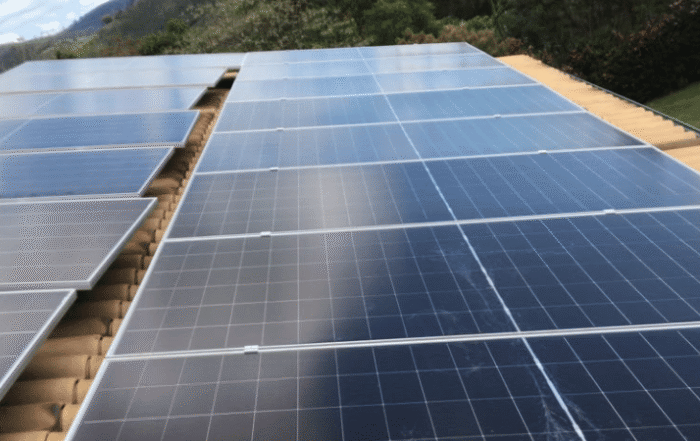
Copaíba adopts photovoltaic system and reinforces commitment to sustainability.
Copaíba adopts photovoltaic system and reinforces commitment to sustainability. The Copaíba Environmental Association has taken another decisive step in [...]
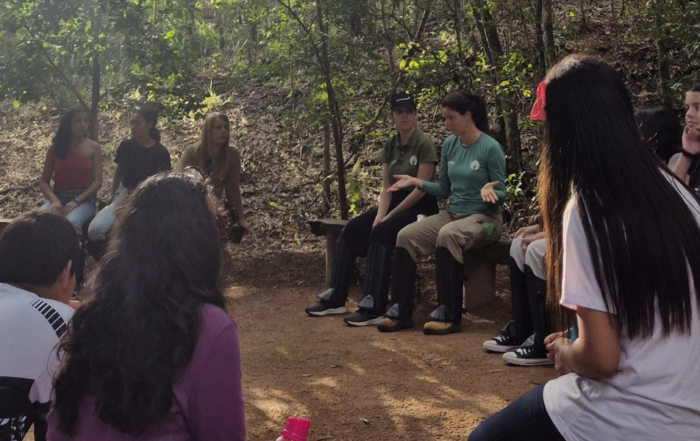
Living in contact with nature is now a right for children.
Living in contact with nature is now a right for children. On September 22, 2026, it was [...]
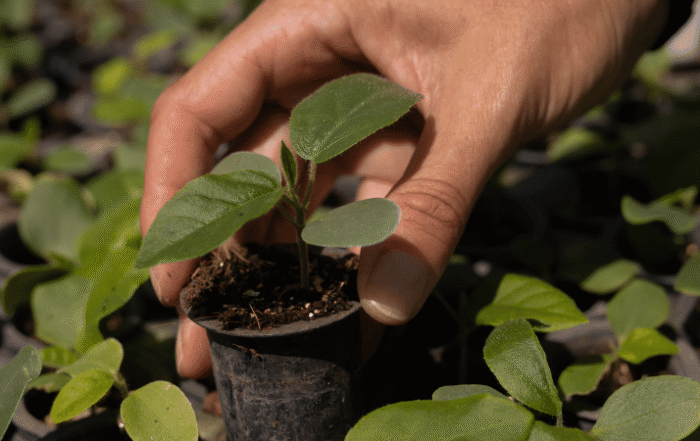
From Seed to Planting: The bottleneck that threatens the restoration of the Atlantic Forest.
From Seed to Planting: The bottleneck threatening the restoration of the Atlantic Forest. Miscommunication between those who produce seedlings [...]


