

Limoeiro and Cachoeirinha CGHs still cause controversy
Limoeiro and Cachoeirinha CGHs still cause controversy
Copaíba receives a response from the State Secretariat for the Environment and Sustainable Development (SEMAD) of Minas Gerais on the operation of the Hydroelectric Generating Plants (CGHs) located in Bueno Brandão/MG
A few years ago, after much discussion and popular mobilization against it, the CGHs Limoeiro and Cachoeirinha were installed in the Limoeiro waterfall and in the Cachoeirinha river, both in the municipality of Bueno Brandão/MG.
Since the time of the construction project and the presentation of environmental studies for the implementation of this project, in 2009, Copaíba has closely followed this process due to the request of the population, but mainly for the fulfillment of its institutional mission: to conserve and restore the Atlantic Forest of the Peixe and Camanducaia river basins.
Since then, many clashes have been experienced, from popular demonstrations, which moved hundreds of people through the streets, against this enterprise, to participation in meetings of the Environmental Policy Council – COPAM, in Varginha/MG. There has always been a concern with the conservation of these areas and with the flow of water from the rivers after the construction of these dams. Since then, after installation, the water flow in these stretches constantly fluctuates while the hydroelectric plants operate.
Because of this, Copaíba often resorts to the competent environmental agencies to find out about environmental compensation, requesting inspection and taking appropriate measures if any irregularity in the operation of the CGHs is contacted.
This week, Copaíba received from SEMAD of Minas Gerais, in response to a letter sent in 2013, the report sent by the Regional Superintendence of Environmental Regularization - SUPRAM Sul de Minas communicating the assessments that both CGHs received for failing to comply with the requirements of the licenses of operation. Among the assessments, there is the lack of monitoring of the water flow upstream and downstream of the dam, including the monitoring of the minimum residual flow of 0.30 m3/s, which must be maintained. In addition to these, other irregularities were found and are being charged by public agencies.
Copaíba, for the good of nature and consequently for the good of society, has always taken a stand against the installation of these CGHs in the region, actively participating in the Cachoeiras Vivas Movement. Even with the authorization for the construction of hydroelectric plants on the rivers, the institution monitors and will continue to monitor, together with citizens and businessmen, compliance with the requirements of environmental agencies, to avoid further damage to the environment.
Share!
Latest publications
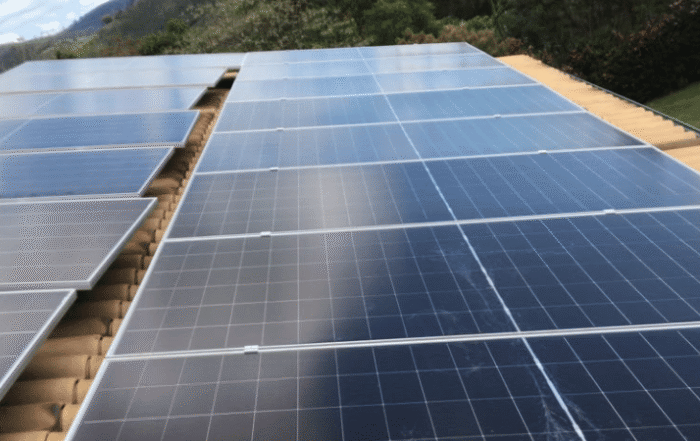
Copaíba adopts photovoltaic system and reinforces commitment to sustainability.
Copaíba adopts photovoltaic system and reinforces commitment to sustainability. The Copaíba Environmental Association has taken another decisive step in [...]
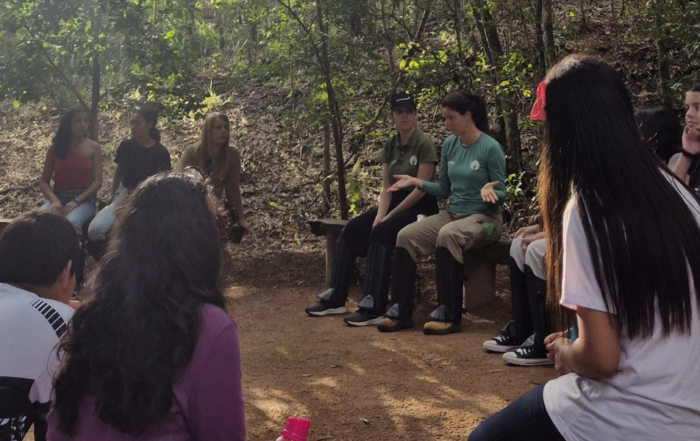
Living in contact with nature is now a right for children.
Living in contact with nature is now a right for children. On September 22, 2026, it was [...]
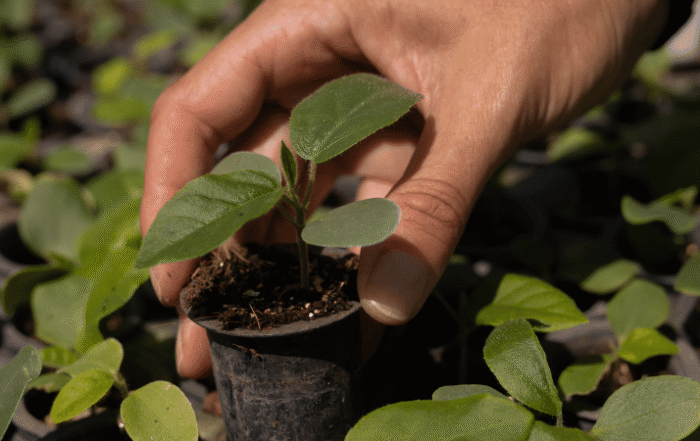
From Seed to Planting: The bottleneck that threatens the restoration of the Atlantic Forest.
From Seed to Planting: The bottleneck threatening the restoration of the Atlantic Forest. Miscommunication between those who produce seedlings [...]


