

Environmental education as a tool for transformation.
Environmental education as a tool for transformation.
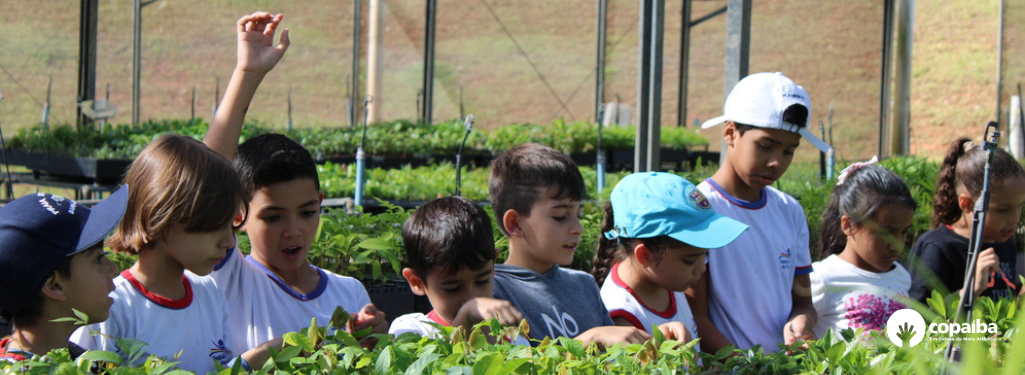
Environmental education as a tool for transformation: how schools can create more conscious citizens.
Copaíba Environmental Association points out practical paths to transformation.
THE environmental education Environmental education in Brazilian schools has been gaining increasing attention, and not only in the academic environment. A recently released national survey shows that 671% of Brazilians believe that schools have a primary responsibility for children's environmental education, and 581% consider that students are more aware of the environment than their parents, signaling a social demand for more solid training in this area from the early grades.
The environmental educator of Copaiba Environmental Association, Viviane Candotta Gabriel argues that the environmental education It's more than just specific content about recycling or fauna and flora; it's a continuous educational process that develops critical, socio-emotional skills and proactive attitudes geared towards sustainability. "Studies and reviews of educational policies indicate that, when integrated into the pedagogical project of schools with active methodologies, environmental education strengthens not only technical knowledge, but also student leadership and critical reflection on contemporary socio-environmental challenges," she points out.
The role of schools ranges from raising awareness about the impacts of human actions to proposing concrete practices that connect theory and local reality. This can include school gardens, recycling workshops, interdisciplinary projects involving mathematics, science, and languages to analyze environmental data, as well as partnerships with organizations and communities to expand learning outside the classroom.
Copaíba believes that schools can act by:
- Field experiences and educational visits: Schedule visits to socio-environmental projects, such as those developed by Copaiba, This broadens students' understanding by connecting them with concrete experiences in environmental conservation, ecological education, and sustainable land management. Direct contact with real-world initiatives helps transform abstract concepts into meaningful experiences and inspires civic engagement.
- Practical projects: School gardens, selective waste collection systems, water and air quality monitoring, and environmental clubs encourage students' direct responsibility for the school environment and the community. These initiatives strengthen experiential learning and stimulate youth leadership.
- Integrated curricula: Insert the environmental education This approach crosses disciplines, building a holistic understanding of the environment, society, and economy, rather than addressing the topic in isolation. It allows content from science, geography, mathematics, and languages to interact with real, local environmental challenges.
The impact of environmental education It goes beyond the classroom: engaged students tend to influence sustainable practices in their families and communities, amplifying the effect of education and contributing to a long-term culture of environmental responsibility. International studies show that well-implemented environmental education programs can increase students' knowledge and pro-environmental behavior, fostering attitudes that last into adulthood.
In a world confronted with challenges such as climate change, biodiversity loss, and inequalities in access to natural resources, forming conscious citizens capable of understanding complex problems and acting responsibly is, in the words of educators and researchers, one of the great tasks of contemporary education.
And the Copaiba It positions itself as an important tool on this path, opening its space for environmental education initiatives that have already reached more than 40,000 participants in its programs, and intends to further expand these numbers thanks to partnerships with companies that also believe in this mission.
Would you like to participate in one of these experiences or learn more about Copaíba's environmental education program? Visit our website. Click here!
Share!
Latest publications
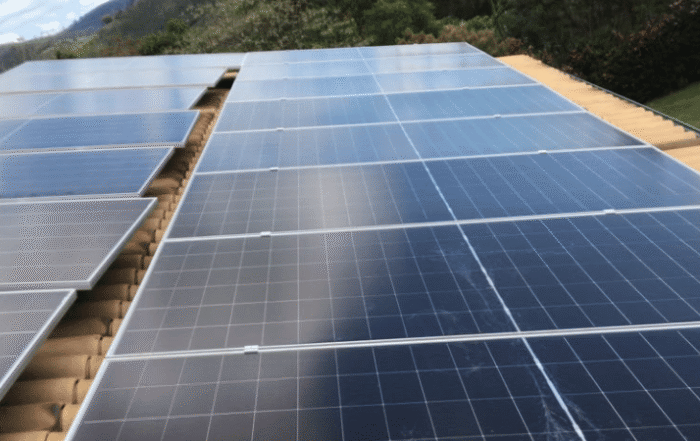
Copaíba adopts photovoltaic system and reinforces commitment to sustainability.
Copaíba adopts photovoltaic system and reinforces commitment to sustainability. The Copaíba Environmental Association has taken another decisive step in [...]
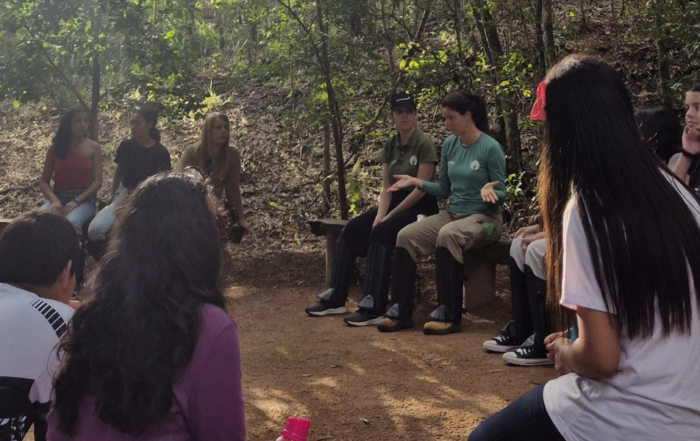
Living in contact with nature is now a right for children.
Living in contact with nature is now a right for children. On September 22, 2026, it was [...]
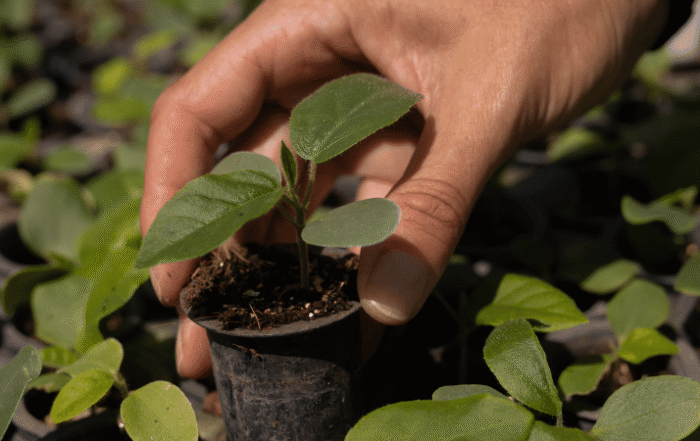
From Seed to Planting: The bottleneck that threatens the restoration of the Atlantic Forest.
From Seed to Planting: The bottleneck threatening the restoration of the Atlantic Forest. Miscommunication between those who produce seedlings [...]


